

I have a complicated relationship with “hot takes.” The internet is inundated with hot takes for pretty much any entertainment medium, as it is a very easy way to get attention. In a crowded media landscape, pissing people off or being extremely contrarian is a quick way to stand out. Sports talk, in particular, is a landscape where having the most extreme opinions is one of the best ways to make a name for yourself. It’s obnoxious. I never feel like I truly know where most hot take artists actually stand when it comes to anything. I often feel like they are arguing for the sake of arguing.
But also, deep down, I love a good hot take. It can be tough to express an unpopular opinion that you genuinely believe. Internet mobs can be fast and unrelenting. For those of us just trying to be real people on the internet and not trying to farm for engagement, it can take a little courage to put out something that most people don’t agree with.
I personally view myself as a relatively nuanced person. I see the good and bad in most things, and I generally understand how someone could come to a different conclusion than me. Because of this, I don’t usually air out my hottest takes on platforms like Twitter or Threads. If I give a contrarian opinion, I want to be able to fully explain my position, and that is difficult to do on those platforms.
What a relief that I have a blog! If you’ve been reading my blog closely, you may have seen many of these takes addressed in the middle of a big article or review. I don’t go too far out of my way to advertise these takes. But as we inch ever closer to the end of the year, it felt like a great time to put all my most unpopular takes in one place, with the room to fully explain all of them. Some of these takes are positive, some are negative, but they are all things I truly believe.
With that… LET’S FIRE OFF SOME TAKES!
Prince of Persia: The Lost Crown Shouldn’t Have Been A Metroidvania
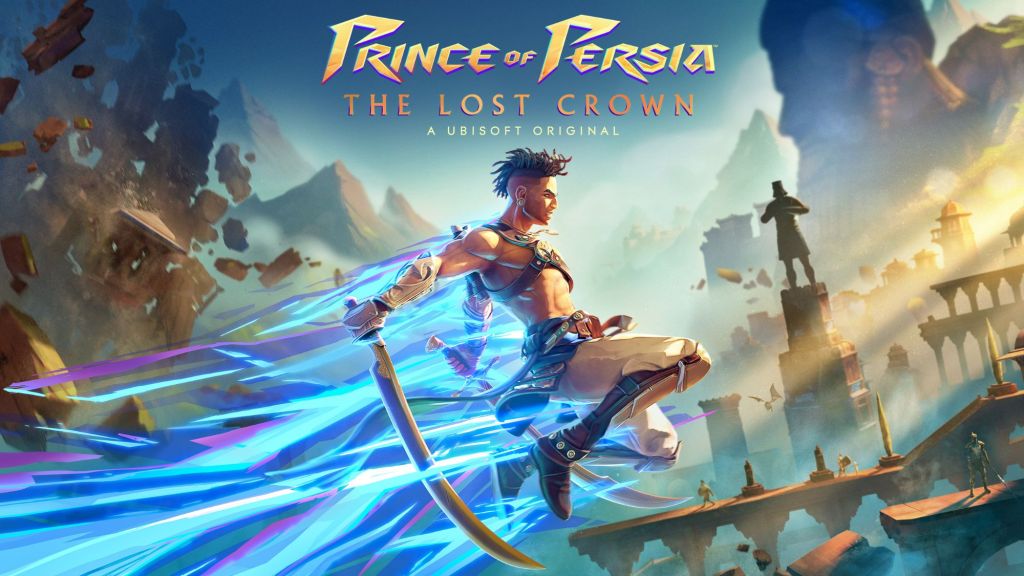
Prince of Persia: The Lost Crown is currently sitting in my top 5 games for the year and is an absolute lock to be in my top 10 at years end. Lost Crown’s platforming and combat are both incredibly well done. The platforming has so many cool abilities that are rolled out at a perfect pace throughout the game, with amazing level design to top it off. The combat utilizes parrying to great effect and has many other strong elements as well. I said at the time that you just don’t see many games with both platforming and combat on a level as high as it is here.
And yet, every time I think about The Lost Crown, I just think about some of the missed opportunities. While this is in my top 5, it should actually be my #2 game of the year because the core elements are clearly good enough to get it there.
This game made one big mistake, and that was being a Metroidvania and implementing a lot of those features in a mediocre way. The Lost Crown does have some cool Metroidvania elements, like a photo ability that lets you see the area you have been to in the past so you know exactly where to go when you get new abilities. But for the most part, the Metroidvania elements hold the game back and keep you from the good stuff. First off, there just aren’t enough fast travel points in the game. You have some long treks through previously visited areas of the map if you want to pick up things you missed, or sometimes just to progress in the main quest. It is absolutely obnoxious and simply not fun.
The game also fumbles in many spots with giving you rewarding exploration. The Lost Crown features many optional platforming challenges. I loved these because I really enjoy difficult platforming, and The Lost Crown is about as good as it gets when it comes to crafting these. But increasingly, I got frustrated with how often I’d die dozens of times, only to be rewarded with a “Xerses Coin,” when I finally beat a challenge. These coins aren’t all that useful once you’ve upgraded the gear you want to stick with. I had tons of unused coins by games end, and each time I saw them, it was a bitter reminder of the hard work I did for essentially nothing.
The developers of The Lost Crown are the same ones that made Rayman Origins and Rayman Legends. These are some of my favorite platformers of all time. It’s no shock that they knocked the platforming out of the park here. I was impressed at how well they did with the combat in the game as well. But the Metroidvania design just wasn’t where it needed to be. The rest of the game is too good for that to hold it back by more than about 0.5 points on my review score, but those 0.5 points make a big difference in end of year rankings. A linear The Lost Crown would have SLAPPED, and I’m sad that we didn’t get it.
Hellblade II’s Combat Is Very Good (On Hard)
Hellblade II feels like one of the more polarizing games of 2024 so far. And the combat is a big part of that. While the original Hellblade’s combat wasn’t amazing, it held its own. You often fought big groups of enemies, and it was pretty frantic and intense.
A big critique I saw when Hellblade II came out was that the combat had not evolved enough. I simply disagree. In my “best combat” list for 2024, Hellblade II is still very firmly in the top 10.
Admittedly, I don’t feel that way about the game on normal. Senua’s focus ability charges too fast and lets you go into a slow motion mode seemingly whenever you get into even the slightest bit of danger.
But on hard things change significantly. First off, the motion capture for combat is truly incredible. Early in the game, an enemy blocked an attack of mine in the middle of combat that looked like the kind of animation you generally only see in a cutscene. But that’s just how this game looks. The fully motion captured combat can make it feel a bit “on the rails” sometimes, but it also creates a very intense and visceral experience.
And then, on hard, the game’s parry system becomes absolutely vital. You have to get good at parrying when you have the difficulty turned up, or you will die. Between the new exclusively one on one duels, the motion capture, the fidelity, and the responsive parries, I was having a blast with combat. Yes, there are far deeper systems out there, but the mix of strengths created something not quite like anything else out there. It really feels like you are living out a fight that is straight from an action movie.
Hellblade II is not for everyone, but I think people who love tight parry mechanics should honestly play this game for the combat as much as anything. As long as they put it on hard.
Infinite Wealth’s Combat Still Has A Ways To Go
Let me get this out of the way, I do think Infinite Wealth has a good turn based combat system. It has a lot of elements that are unique or rare in the turn based space. The way you can move around before each attack and then utilize the environment, area attacks, or your teammates is really cool. The game also gives you a lot of customization options with your classes that let you build your party however you want to.
But I’ve seen this system get hyped as one of the best turn based systems out there, and I just disagree. I’ve played three turn based systems that I find to be more fun this year alone (Persona 3: Reload, Daybreak, and Paper Mario: TTYD).
There are several upgrades I’d like to see out of Infinite Wealth. First off, I’m really tired of how enemies just randomly move around in battle. It’s so difficult to plan out attacks sometimes, as enemies quickly will move out of position when you are trying to line up an area attack. This is especially annoying early in fights, when enemies are usually grouped up and then slowly move away. It’s an annoying dash to scroll through several menu options to find the attack you want, and the moment has usually passed by then. I can’t tell you how many times I had an attack lined up, and then had to move or just wait for the enemies to go back to where they were so I could use it the way I wanted to.
I understand that RGG Studios wants to make the combat feel fluid and like an action system, but enemies still do dumb things that feel unnatural. My favorite is when you are in front of an enemy, and then they literally don’t move as you go right behind them to do a back attack. Situations like this are already common, so I don’t understand why enemies move during combat at all.
I also wish the MP balancing in the game was better. I felt the need to conserve my MP a bit too often and just use basic attacks, so I spent more time than I’d like not fully using the battle system. I’d love it if they took some notes from Legend of Heroes: Daybreak and had another special move set that regenerates at the start of each battle, so you don’t have as many battles where you feel the need to just mindlessly attack.
Additionally, I wish the system was a bit faster. I’ve had random battles with similarly leveled enemies that have taken 5+ minutes, and these weren’t even special enemies. At times, it can be a bit of a slog.
Infinite Wealth has many big improvements from Yakuza: Like a Dragon. I truly hope they keep tweaking things before the next big turn based game. Perhaps with inspiration from Metaphor: ReFantazio and Daybreak, we will also see them implement more action elements into the turn based combat, too, in order to really keep things fresh. There is a LOT of potential here to create something special, but I disagree with those who think the system is special as it is right now. I’d say it is merely “good.”
Dungeons of Hinterberg Would Have Gotten Better Reviews If It Was A Zelda Game
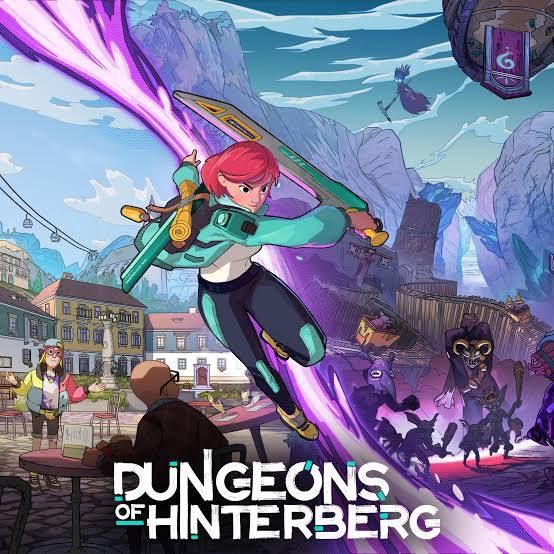
I just bought The Legend of Zelda: Echoes of Wisdom yesterday when it released. The game currently sits at a very strong 87 on Opencritic. Meanwhile, my current #2 game of the year, Dungeons of Hinterberg, is at an 81.
And look, I’m not super far into Echoes of Wisdom yet (about 5 hours), but the solidly higher review score confirms what I already suspected. I think a lot of game reviewers get a little too sucked into these name brands sometimes. Echoes of Wisdom is very solid so far, but it seems absurd that it would be rated higher than Hinterberg for me. Hinterberg has way more creative and inventive level design, with tons of cool twists and interesting perspective shifts. Echoes of Wisdom’s early puzzles are much more basic, though they do offer a lot more freedom in how you solve them thanks to a seemingly infinite amount of items you can summon at any time. While Hinterberg’s combat isn’t perfect, I wouldn’t say Zelda’s combat is any better. And then Hinterberg has cool Persona elements and a far more engaging story to go with it.
I’m not writing this to shit on Nintendo at all, but I truly believe that if Dungeons of Hinterberg somehow had Princess Zelda undercover in Hinterberg, and the game was “Legend of Zelda: Dungeons of Hinterberg” on Nintendo Switch, we would see higher review scores. Maybe I’m being unfair, but I truly believe that Nintendo name brand adds points to so many of their games. They don’t create any expectation of any sort of compelling story or dialogue, so they don’t get punished for it. Zelda combat has been roughly the same for decades (which isn’t bad, but there’s way better stuff out there), yet Hinterberg gets nailed for its combat not being top-tier. I don’t think it’s a fear of fanboys or anything that causes it. But there are certain baseline expectations, both good and bad, for Nintendo games, and as long as they hit the good parts, they don’t get punished for the bad stuff. Sadly, I don’t think the same can be said for small indie developers.
Rise of The Ronin Is Better Than Ghost of Tsushima
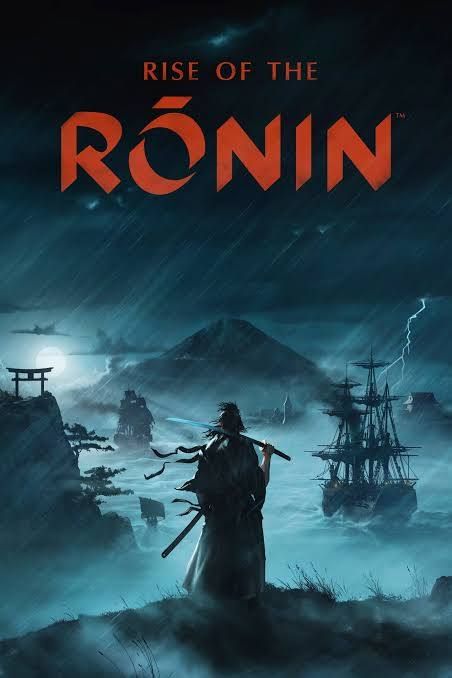
This might be the hottest take of them all, but let me explain!
I really enjoyed Ghost of Tsushima when I played it in 2020. But the longer I played, the more I started to sour on it (I still think it’s great overall). First off, I couldn’t believe how easy the game was once I got the hang of things. I played it on hard and ended up cruising to the finish line. The open world is absolutely beautiful, but there aren’t actually many compelling things to do in it. The storytelling is well done, but it is pretty basic overall and isn’t particularly interesting most of the way in my view.
Rise of the Ronin has many of the same issues as Tsushima. Some of them are even worse. While Ronin has an interesting story based on history, it is told in an absolutely stupid way. Tsushima has a way more visually compelling world as well, despite being way older. Ronin also shares Tshushima’s issues with not having a lot of fun things to do in its open world.
But Ronin has one big thing over Tshushima, and that is combat. Ronin’s combat is significantly tougher and deeper than Tshushima’s. You have way more options in terms of styles, you have a gun, and you have a super fun grappling hook. The difficulty balancing is also way better. As weak as Ronin’s open world can be, it does have way more compelling RPG elements, which at least make doing open world tasks feel a bit more rewarding, too.
I’m not here saying that Tshushima is trash and Ronin is great. I think both games are great, but both have serious flaws. For me, the gameplay strengths of Ronin are more valuable than the strengths that Tshushima has.
Rebirth’s Minigames Were Fucking Awesome. We Should Have Been Forced To Play More Of Them.
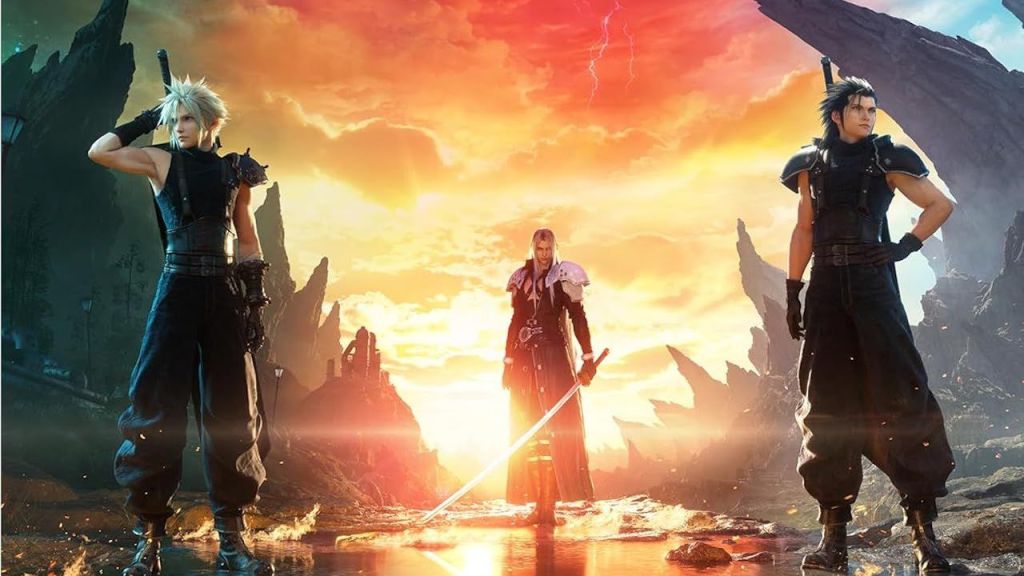
It seems like every time there is a conversation about Rebirth, it’s almost required to say, “Yes, the forced minigames are annoying.”
But here is the thing… they aren’t. The minigames in Rebirth are extremely high quality. And while they are “forced” at times, they are rarely a big deal. They are also almost all so well made that I just didn’t mind having to play them at all.
Queen’s Blood, Chocobo racing, and the piano are all some of my favorite minigames of all time. And for the most part, I could tackle these minigames as much or as little as I wanted to after maybe one forced encounter with them. When I gave Rebirth a 10, at least a little bit of that is because I loved the minigames.
There are two sections in the game where the game forces you to play minigames for a really extended period of time. When you land at Costa del Sol, and when you get to the Golden Saucer. Admittedly, I was even a little annoyed at Costa del Sol, as I was eager to get back into the world, but the minigames you play at Costa del Sol are all good, at least. Meanwhile, the Golden Saucer is meant to be a minigame paradise, so I had absolutely zero issues there.
Yes, playing them on hard and trying to get a platinum seems kind of annoying. But that’s your own fault if you choose to go that path. I never did any of that, and I was happier for it.
Thank you, Final Fantasy 7: Rebirth minigames for your incredible service. I hope we have EVEN MORE minigames in part 3. They just fit this serious yet goofy ass world so perfectly. And the developers are damn good at making them.
 Big Nerd Gaming
Leave a comment