

Imagine the best chef in the world. They are on nationally televised cooking shows. If they open a restaurant, it makes headlines. They use the best ingredients that any chef could use.
In the end, none of that matters if they leave the meal in the oven for too long. You can do everything else damn near perfectly, but that one simple mistake will cost you everything.
The more I played Until Then, the more frustrated I got. This is a game clearly crafted by some talented artists. There are a lot of sublime ingredients that form this experience. But damn near every scene was left in the oven for a little too long. While the final product is still pretty good, it’s a little too crispy. This feels like it had the potential to be a Michelin Star dinner, but instead, it feels like a solid meal from Denny’s.
These Teenagers Are Only Kind Of Cringe
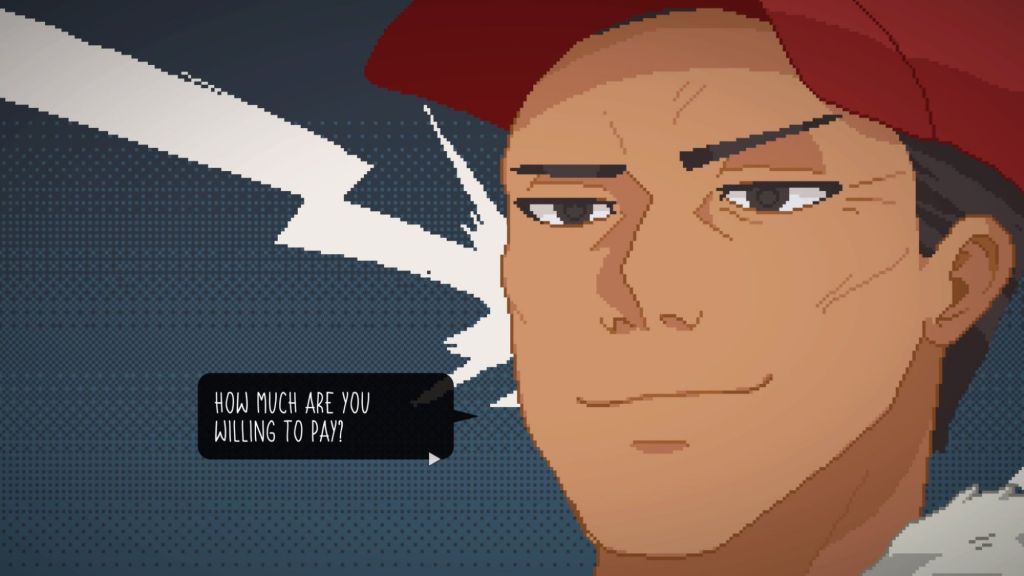
Until Then follows the lead character, Mark Borjas, on his journey through high school, family life, and perhaps some supernatural occurences as well. The game takes place in the Phillipines, where the developers are from. This helps give the teenage drama a slightly different feel than the usual American fare, even though many of the things the characters experience here are relatively universal.
When I talk about how great the ingredients are in Until Then, there is truly no greater ingredient than the characters themselves. As someone in their mid-30s, it can be hard to fully connect with teenage characters these days. But Until Then has somehow created some very relatable and interesting high school students here. It was easy to jump into their shoes with the care that was taken in crafting them. I think most of all, I was so impressed by how each character managed to stand out without being overly gimmicky or tropey. Yes, there are the smart characters, there are the class clowns, there are the artists. But just about every character is more than that and has moments of depth and growth that you wouldn’t always expect from a game like this. Mark and his best friend, Cath, are absolute superstars and some of my favorite characters this year. But almost every other character has at least one moment that will surprise you or make you appreciate them a little more.
The game manages to create depth for these characters with some really interesting and fun storytelling mechanics. Of course, you spend plenty of time talking to these characters, but like any teen, even in 2014, when this game took place, you spend a fair bit of time on your phone as well. Mark almost never calls anyone and spends most of his time texting. The texting is one of the better storytelling mechanics I’ve seen in a narrative game. There’s plenty of fun writing that takes place here, but the little things make a big difference as well. Often, during important exchanges, you’ll see Mark start to craft an answer and then delete it and retype it. This is something we all do when we are texting with someone where every word matters for how the message is perceived. While Mark mostly texts with his main friends, he will have the occasional conversation with “lesser” characters or be a part of group chat exchanges that help flesh out other characters as well. I especially enjoyed it when multiple text conversations would be going at the same time, and the game allows you to switch between them whenever you want.
While it isn’t used as much, there is also a neat “Facebook” type platform that occasionally makes an appearance as well. Just like in real life, this allows you to see status updates from your friends, as well as news articles. The news articles are really cool and flesh out the world quite nicely in a variety of ways. Even little things, like seeing something that a friend “liked” can hint at small things about them that often come up later on. This mechanic is a great aid in both worldbuilding and character development, and it was a very valuable addition to the game.
I thought the game tackled some important themes in impactful ways as well. There are some great scenes about the importance of family life here. The game also explores the impact of grief and friendships that drift apart. All of this comes together to create a game that is truly for anyone, even though it’s about teenagers.
The great writing and solid storytelling mechanics also mesh incredibly well with the visuals and music. Until Then has some of the most expressive animations I’ve seen from a game with this sprite graphic style. During especially important scenes, Until Then will zoom in on the characters’ faces, and the animations do almost as much storytelling as the writing does. It’s really impressive. The game has some excellent environments that bring additional life to its world, too. Until Then also has a lot of piano playing integrated into the story, so it’s no surprise that the music is often poignant and fitting as well.
OK I’m Done With The Cooking Metaphors, I Promise
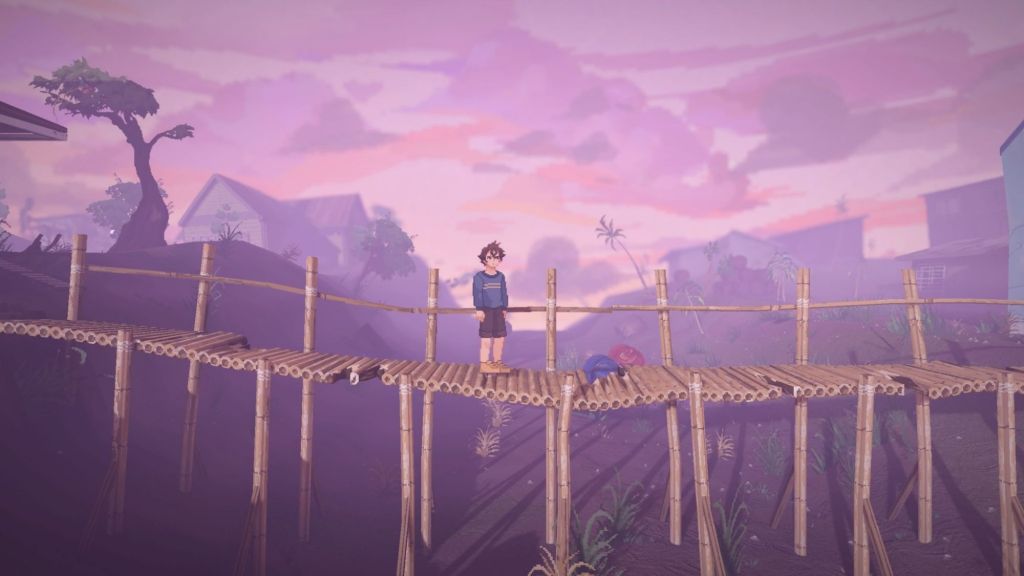
Despite how great all of these things are, one nagging issue continued to hamper my experience playing Until Then. Simply, almost every scene in the game is too damn long. There are countless times that I felt like a scene had accomplished everything that it wanted to, yet it still kept going on. To “fully” beat Until Then takes roughly 20 hours. And 5 hours easily could have been chopped off without even eliminating any of the scenes in the game. It’s kind of unbelievable.
As much as I was enjoying so much about Until Then, that enjoyment would often turn into impatience as one scene after another just kept going on. There are a lot of times when I felt pretty invested in what would happen next, but the amount of filler in each scene would slowly kill off the momentum that the game was accumulating. It’s a big problem in some of the most impactful scenes in the game as well. There is one scene in particular that I imagine is the one that will make the most people cry. And when this scene first happened, I definitely felt its impact. But then, the scene just kept going on in ways I almost couldn’t believe. This scene quickly turned from sad to melodramatic, and I almost found myself chuckling at how it kept going.
I also didn’t think the storytelling was always flawless in the game. I thought Act 1 was the strongest act of the game by a fair amount. Acts 2 and 3 go in some different directions that I just didn’t find as enjoyable for reasons I can’t explain here to avoid spoilers. I actually think if this game truly ended at Act 1, I might have given it a slightly higher score, even though there would have been several more unanswered questions.
Until Then does try to mix things up and give you a little bit of interactivity with its minigames as well. Unfortunately, these are literally some of the worst minigames I have ever experienced. There are several minigames where I wasn’t even sure what I was supposed to do in order to “win.” Controls were not always responsive as well. Most of these are less than a minute, so it wasn’t the end of the world. But since much of the plot is built around the piano, I did wish that the slightly more prevalent piano rhythm minigame was a little better. The notes go by incredibly fast, and the feedback from the game as to if you are actually playing it correctly is really difficult to pick up on. This is the one minigame that actually goes on for several minutes sometimes, and it was never a particularly pleasant experience.
Lol, JK, I’m Going Back To Cooking Metaphors

Despite my complaints, I did have a good time with Until Then overall. Even if a meal is a little too well done for my liking, I can still tell when there is a lot of quality there.
While the pacing of Until Then drove me nuts at times, it still features some of the most well crafted characters of 2024. And there are many heartfelt moments that anyone can appreciate.
Everything was there for this to be an indie game of the year contender for me. But when you are in the kitchen, it only takes one mistake to drastically alter a meal.
Score: 7.0/10
 Big Nerd Gaming
Leave a comment