
This may surprise you, given the title of this article, but I don’t like a lot of “hot takes” in the gaming space. I feel like a lot of these takes are given in bad faith, and mostly for attention. Calling a very well regarded game “bad” is an easy way to get attention and clicks, but these takes lack the nuance that most games deserve. Sometimes, it’s people being real, and I can respect that, but I feel like it’s the opposite more often than not.
Personally, I pride myself on nuance. I refuse to throw out takes just because it might get me a few more clicks or a few more comments. It is very rare for me to call a well-regarded game “bad” (there are a few exceptions… like Final Fantasy XV). Even if I don’t like something, I strive to dive as deep as I can on the individual factors and explain why. But even with games where I think a lot of mistakes are made, I often find plenty to respect. I can understand why people might love almost any game out there, even ones that I do not.
I’ve started rewarding myself for my take discipline with one post a year where I can throw out all of my hottest takes. Honestly, the takes aren’t even all that hot, but it’s still my own personal treat. This post is basically like my personal version of The Purge, but instead of murdering people, I’m going into various houses and stealing $10.
With that, here’s my hottest takes of 2025 so far, varying from lukewarm to “it kind of burns your hand if you touch it.”
Blue Prince, Hollow Knight: Silksong, and Death Stranding 2 All Fucked Up Their Friction
Friction is one of the most important elements of so many video games, at least for me. In most games, I want some sort of a challenge. I want to overcome something, and I don’t really want my hand held. I like organic exploration, and I like a challenge. But there’s always a limit. I’m a father, and I don’t have all of the time in the world to be lost for hours or to feel like I wasted multiple nights of gaming. Balancing games is always one of the toughest things for a developer to do, especially since gamers can have vastly different preferences with these things.
But in my view, three games that are heavily built around friction didn’t get the balance quite right this year. Those games are Blue Prince, Hollow Knight: Silksong, and Death Stranding 2.
My problems with Blue Prince mostly come down to a lot of runs that felt completely worthless. It’s too easy for runs to completely fall apart through no fault of your own. While you can get permanent upgrades in the game, I think they needed a few more so that it’s easier to focus on the exploration, lore, and puzzle solving instead of just worrying about the RNG. The game also doesn’t let you back out on deciding your next room when you try and advance, which can put you in very bad situations if you happen to be out of certain resources. RNG is part of the appeal of roguelikes, but when the results lean a lot more negative than positive, it loses a lot of that fun.
Silksong similarly can quickly verge from fun to frustrating. While the grind of taking down tough areas and exploring with minimal guidance is part of the appeal of the game, it also crosses the line at times. Silksong can often feel like it is testing your patience much more than your skills. Backtracking to old areas to figure out where to go next with so few fast travel points rarely made me happy. Long runbacks to bosses did not make it feel any better when I finally won. Flying enemies constantly force you to sit and wait for them to come back when they scurry away, as you fight them in many areas that have various spikes or long drops down. Silksong might be the best feeling 2D action/platformer that I’ve ever played, and it sucked how often it felt like the game wouldn’t let me experience the fun parts.
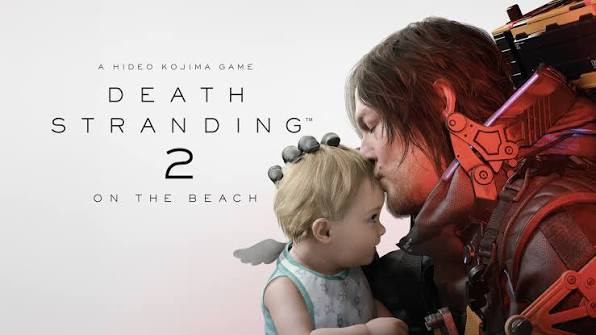
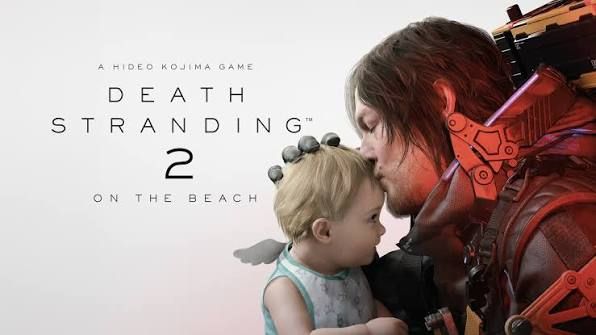
Meanwhile, I had different issues with Death Stranding 2. I actually felt like Death Stranding 2 did away with too much of its friction. A few things in the first game annoyed me, but I think a lot of it really made the game better. Long journeys in Death Stranding 1 felt treacherous and risky in so many ways. Making it through felt like a real accomplishment. Death Stranding 2 does away with too much of that feeling. Enemies that I wanted to avoid at all costs in the first game were easy to bulldoze through. As I got midway through the game, I started abandoning vehicles and making my own life harder by walking, as the game was kind of letting me easily cruise to each destination. The constant sense of peril was gone, and that took away a lot of the fun in the gameplay for me. I mocked Kojima a bit for saying that too many people liked the game in their early testing, but I kind of came away seeing what he meant.
Despite thinking these three games missed with their friction decisions, I still loved two of them and at least respected the other one. As I said earlier, Silksong might be one of the best feeling 2D games I’ve ever played. Death Stranding 2 still has a fun gameplay loop, and it has one of the best conclusions I’ve ever seen in a video game. Unfortunately, the core aspects of Blue Prince weren’t enough for me to like the game despite respecting it. With a few tweaks, I think I would have finished the game, but the friction combined with other issues made me abandon it.
There are many who love the friction decisions in these games, as all three are very highly touted. Unfortunately, friction is one of those things where developers make decisions, and some players end up being winners, and some end up being losers. In all three of these games, I was on the losing end of those decisions.
The Rogue: Prince of Persia Shouldn’t Have Been A Roguelite

In my 2024 hot takes, I said that Prince of Persia: The Lost Crown shouldn’t have been a Metroidvania. I have the view that the Metroidvania elements actually detracted from the game in several ways.
Now, in 2025, I’m here to complain about the genre choice for another Prince of Persia game. This time, it’s The Rogue: Prince of Persia. I guess I’ll sound like a broken record, but The Rogue has some really awesome platforming and strong combat, but roguelite systems that simply do not enhance the game.
Like most games in the genre, you can collect resources over the course of each run to use when the run is over. The problem is that these resources mostly just unlock new weapons and outfits. There’s a few exceptions, but that is the bulk of it. There are tons of different weapons in The Rogue, but not “completely change the way you play” levels of different in many cases. And plenty of weapons never felt as viable as others to me. It’s not a particularly exciting thing to unlock. Killing enemies and advancing through areas gains you XP which you can use to select new skills from a skill tree, but even on really good runs, I seemed to max out at around 1 level up per run. So, each run, I’d get one new thing, which is fine, but once again, it’s not that exciting.
Once you beat one run, the game suddenly gets really easy as well. Doing the last few runs to officially beat the game was a bit of a drag, as it was kind of mindless. There is a system to make runs harder, but the game barely explains this system, and from what I saw, using it mostly just gave me more of those resources that I barely cared about anyway. I also think the boss design in the game is fine, but not really good enough where I loved facing some of these bosses dozens of times, especially once I had mastered them.
I didn’t write a review for The Rogue because I had so much to write about when I beat it, so it would have been written three weeks after I had last played it, which is always kind of tough to do. But my official score for it was an 8/10. That’s still a really good score, but I think this could have easily been a 9/10 for me if it was just a standard Metroidvania instead of a roguelite. It’s so frustrating when a game with top-tier mechanics doesn’t properly utilize the genre it is in. Even though I’d still recommend The Rogue, this simple decision prevented it from truly being something great.
Abandoning Kingdom Come: Deliverance 2 Felt Like Breaking Free Of Golden Handcuffs
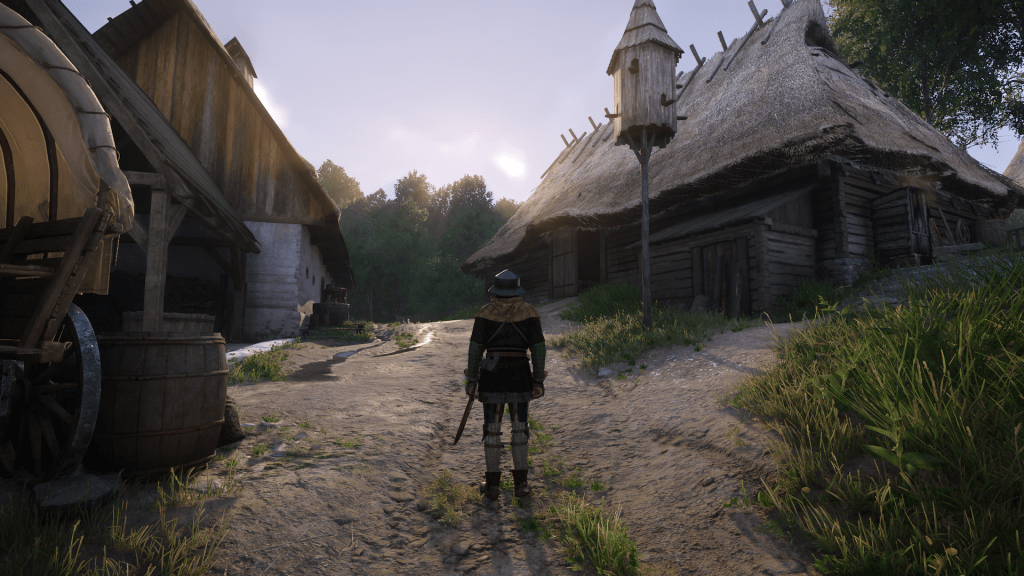
I had a rollercoaster experience with Kingdom Come: Deliverance 2.
Getting started with the game is absolutely brutal. The introduction to the game forces you into a pretty long linear section. This is done because there are a lot of systems in KCD2, so the game really wants to introduce you to them all before letting you explore. The combination of adjusting to all of these systems and being forced into a linear path really was dragging the game down for me. KCD2 can also be a bit unforgiving if you get into a bad situation while unprepared, which is very possible early in the game. I definitely had a few situations where I was stumbling around in the wilderness looking for a way to heal while being assaulted by an annoying red screen filter that pops up when you have low health.
But once I figured everything out, I was absolutely immersed and all in. I was enjoying building up my character from rags to riches, which feels so earned in every way. The world is so unique in the gaming space, and it all feels very authentic to the time period (is it? Who knows! It feels that way, and that’s all that matters.) The main story is also awesome, and this has some of the best open world RPG side quests since Cyberpunk 2077.
But despite the fun I was having, there were definitely still rough moments. Stupid things would happen, like I’d walk into an area and suddenly a bunch of people would be mad at me, when I had no way of knowing that this was some sort of restricted area. The game’s stealth icons are so weird and unintuitive. Some of the main quests have kind of annoying design and require a lot of the kind of trial and error gameplay that I don’t really love. And while it’s neat to have to do things like take baths and maintain your weapons, there are times when it’s a bit of a nuisance. Sometimes, I only have 30 minutes or so to spare, and it was always a bummer when an entire play session would get eaten up by maintenance work.
Around the halfway point of the game, after probably 40ish hours, I inadvertently got caught up in other games and then kind of abandoned KCD2. I finally tried a few times to get back into it, but I couldn’t stomach trying to relearn the game, which I pretty much had to do in quite a few ways by that point. That was when I realized that I wouldn’t be picking it up again anytime in the near future.
It was a weird feeling. On one hand, I know that while I was in the game, I had grown to really love it. It really is unlike anything else out there in so many good ways. So it’s a bummer to not see it through to the end.
But also, there’s a part of me that doesn’t understand how I was able to tolerate certain parts of the game in the first place. There was a lot that annoyed me in KCD2. I didn’t even mention that I didn’t love the combat either. I guess I had some golden handcuffs on. And as much as I respected that game, I’m pretty happy to have them off as I reflect on it.
I’m Tired Of Split Fiction Not Getting Its Flowers
This year’s Game Awards are going to be absolutely brutal. There’s only six slots for Game of the Year, and I’d say four of those spots are for sure taken. Expedition 33, Donkey Kong: Bananza, Hollow Knight: Silksong, and Hades 2 seem like easy locks for me. They are the four highest rated new games on Opencritic this year that have a lot of reviews, and they are all very popular.
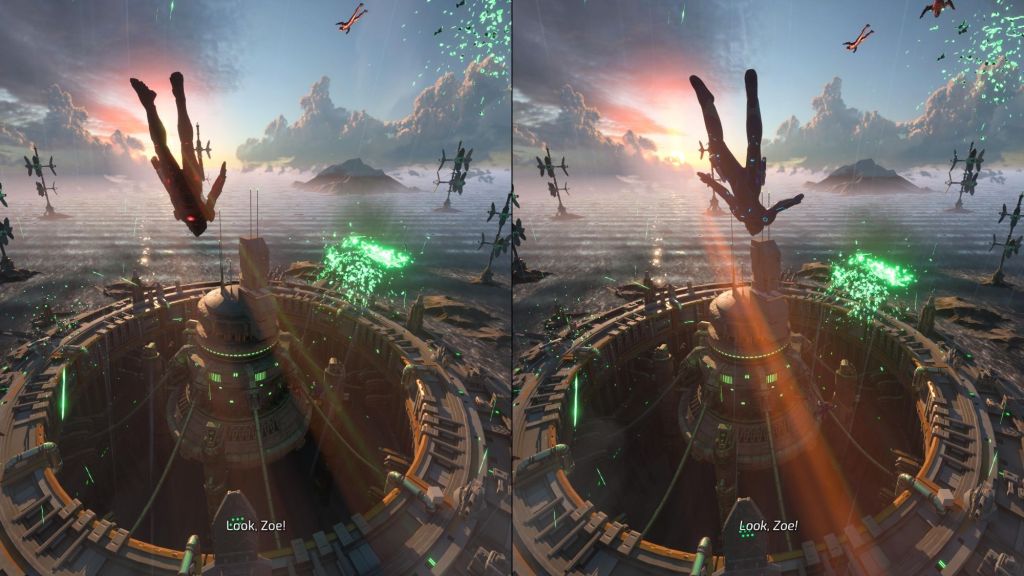
That leaves two spots for games like Death Stranding 2, KCD2, Ghost of Yotei, Split Fiction, and Monster Hunter Wilds. When I see people talk about what games they think will be in the final six, I see Split Fiction left off all of the time. I guess I get why. Split Fiction is a fantastic game, but it’s not the kind of experience that creates hardcore fanbases the way all of the other games in the mix do. It’s relatively short and not story heavy. It is also not great with its writing or its characters.
But realistically, this is the follow-up to a game that already won game of the year back in 2021. By all accounts, it’s a better game than It Takes Two, outside of the story elements. It has some of the best optional content in 2025. It has an opening that reminded me of Nier Automata for its pacing and a conclusion that has one of the most clever gimmicks I’ve ever seen in a co-op game. It also has perhaps the funniest moment in video games this year. Split Fiction fucking rules. Stop writing it off. In my view, of all the “bubble” game of the year games, I’d say it easily deserves the 5th of the 6 slots based on its reviews and quality.
Death Stranding 2 Should Have Done Away With Higgs
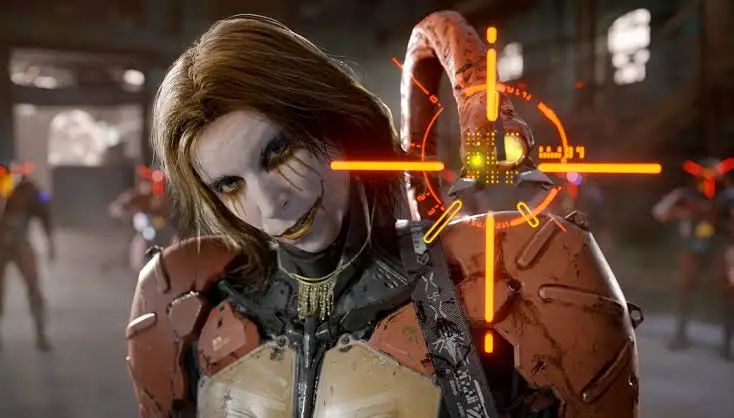
Oh god, I have two Death Stranding 2 hot takes. I swear I really enjoyed the game!
Funny enough, one of the biggest things that convinced me to try the original Death Stranding again after stopping it pretty quickly my first attempt through was the initial trailer for Death Stranding 2. This trailer heavily featured Higgs. Higgs was so insane, and his weird guitar weapon was so wild that I felt like I needed to give this world one more chance. And damn did it pay off, as I loved Death Stranding and Death Stranding 2. Higgs was definitely one part of why I liked the original game so much. He was so unhinged, weird, and he was voice acted really well by Troy Baker.
Spoilers Ahead
But as Death Stranding 2 went on, I felt like he had overstayed his welcome a bit. For the most part, he runs back the same shtick as the first game. Even his boss fight at the end re-uses a gimmick that I thought was awesome in the first game, but seemed kind of stale and predictable here. The game tries to give him some more depth at the very end as well, but it all felt like too little too late at that point.
Also, the game spends quite a bit of time building to a different main enemy (APAS 4000), but almost as soon as this enemy reveals themselves, they get taken out immediately. It felt odd that so much time was devoted to them just for them to quickly fizzle out. I also thought this was a shame, as the concept of APAS 4000 was really interesting to me, and I think they had potential to be a bit more fresh of a foe than Higgs ended up being if they stuck with them.
End Spoilers
Despite the multiple complaints, let me once again reiterate that Death Stranding 2 is a fantastic game overall. Please don’t hurt me.
I Want More Open Worlds With Literally No Activities Like Mafia: The Old Country

When Mafia: The Old Country reviews hit, there was one consistent source of criticism I saw, and that was regarding its open world structure. The Old Country is a linear game, but it still has an open world that you can explore if you wish. However, there is next to nothing to do in this open world. It really just serves as a transition point from one mission to the next.
There’s a scenario where a more involved The Old Country open world could be a lot of fun. The game has some great characters, and they could have used various missions to flesh them out even more. It also would have made unlocking new cars a lot more rewarding, as you’d actually be able to use them more often. Perhaps they could have worked in more ways to customize your room as well. The open world is also absolutely stunning, so having more excuses to spend time in it would have been nice.
I see all of the points, but I actually came away thinking that this structure might be ideal for more games.
First off, I much prefer this setup over a linear game just taking me directly to the next mission. The open world structure and traveling to areas made the entire world feel much more real and alive. When games just drop you into a new level each time, things don’t all feel as connected as they do in an open world game. In The Old Country, I knew where the local towns were, where Enzo’s sleeping quarters were, and where the Torrisi base was. I knew roughly how far away they were from each other. I knew how long it took to get into rival mafia territory. It just adds a level of context that I enjoy. The extra drive time to missions was also a nice way to build up to the action and let the developers fit in some extra character development as well.
While there was potential for a more active open world to enhance the game, there was an equally likely chance that it would just detract from the game. A lot of open world developers can’t seem to stop themselves from trying to throw a million distracting tasks at you, and as a player, it can be work to parse through what stuff is worth doing and what is not. Even if these tasks are fun, they can really hurt the pacing of the main story at times. There are very few games out there that manage to build an open world that actually enhances the main story in different ways. No offense to The Old Country, but my guess is that a more active open world would not have leaned into the strengths of the game.
And frankly, a lot of games could learn something from what The Old Country did. I’d love to see more linear games with an open world structure like this. Based on the feedback the game got, I’d say that is sadly pretty unlikely.
If you enjoyed this post, please consider following me on social media, or checking out The Big Nerd Gaming Podcast!
The Big Nerd Gaming Podcast on Youtube


 Big Nerd Gaming
Leave a comment