
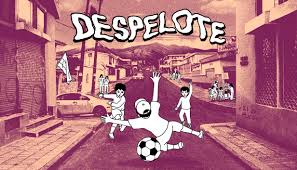
Despelote is a game chronicling what it was like to be in Ecuador when they qualified for the World Cup in 2001. It was the first time they had managed to qualify for the biggest soccer tournament that the world has to offer after 40+ years of attempting to do so. The game is autobiographical and follows one of the game’s developers as an 8 year old as he witnesses the events building up to that moment. That may feel like a very oddly specific and insignificant event for an entire game to center around, but I know otherwise. I was excited to finally dive into Despelote because I had very recently experienced what I’d say is a similar event in my own life.
You see, I have been a fan of the Detroit Lions for my entire life. Safe to say, it is a fandom that has mostly brought me constant misery, despair, and disappointment. Despite being a franchise that has been around since the Super Bowl started in 1967, they are one of only a few teams that have never made it to the actual Super Bowl. But it gets worse! Not only had the Lions consistently failed to make it to the big dance, we were never even getting close. For most of my life, the Lions had basically never even won a playoff game. The only time they had was when I was three, so it’s safe to say that I didn’t remember it. From there, all of my memories of the team involve tragic losses and mostly hapless teams. It may seem like a small and silly dream, but one of my biggest desires in life for a long time was to watch my Lions win one freaking playoff game.
Finally, early in 2024, for what I’d say is only the second or third time in my life, the Lions reached the playoffs AND actually had a real chance to win at least one playoff game. They were playing at home in the playoffs for the first time since 1993, and while they were playing a good team, the Lions were favored.
While it was only a few years ago, it’s crazy how vividly I remember that entire week and the actual game. I work with the general public, so damn near everyone coming in wanted to talk about the Lions that week. It may have been one of the only times that something was a more prevalent topic than the weather. I ended up going to a bar to watch the game because I wanted to be surrounded by passion, atmosphere, and my fellow sufferers. After a very intense game, the Lions came out on top and won their first playoff game in my life. It was one of only two or three times that watching a sport has almost brought me to tears. While I barely held on, not many people around me were able to do the same. I saw people from every age bracket and background crying their eyes out. It sounds absolutely ridiculous, but that’s the power of sports. It’s a mixture of loyalty, narrative, love of the game, and community pride that can grip us like almost nothing else in the universe.
And sadly, I wonder if my personal experience is a big reason why Despelote did not land well for me, despite quite a bit of critical praise and a Game Awards nomination. I feel very strongly that I have lived a sports moment similar to what Ecuador experienced in 2001, and I did not think this game quite captured that feeling as well as it could. I also think the game has a lot of other meandering story threads that don’t really contribute much to the experience. The game certainly has its strengths, but I felt that it missed the mark on the whole.
When I Said “Football Is Life!” I Was Kinda Exaggerating Bro
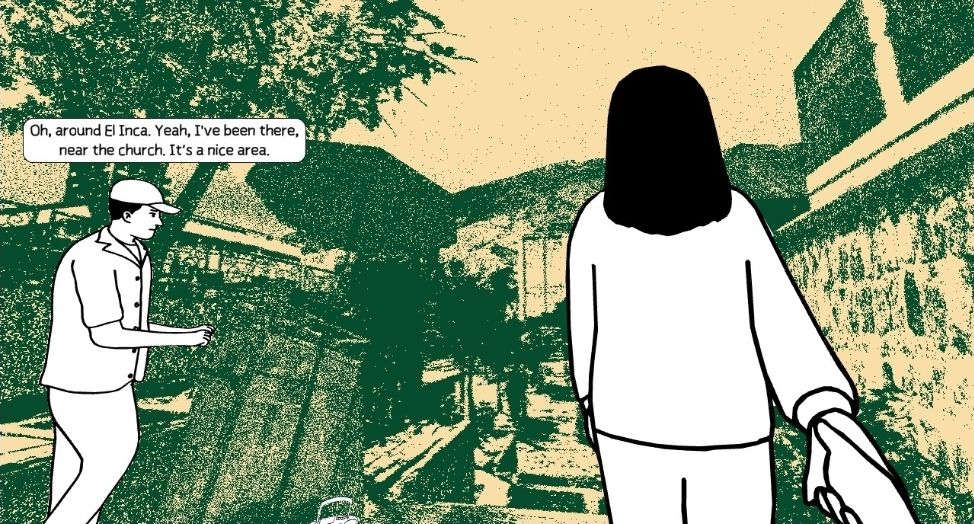
You experience the journey to qualification through the eyes of eight year old Julian. Despelote is a narrative game that I wouldn’t really call a “walking simulator,” but perhaps a “dicking around simulator.” Essentially, the game takes place over the course of the last five games of the World Cup qualifying proces for Ecuador. During each match, you can walk around a bite-sized version of the city of Quito and interact with people in the town. You can listen in on conversations, pass a soccer ball around with friends, or kick that ball into various objects around town. There’s no right or wrong thing to do. While the area that you can explore is relatively small, it is fairly densely packed with various people you can observe or interact with. After a certain amount of time passes, you will automatically move on to the next event.
The first thing you’ll notice about Despelote is the art style. Honestly, the art style is probably the main reason I hadn’t played the game until recently. The city of Quito was created with real 3D scans of the city. The people are hand drawn black and white sketches, and there is also a hazy color filter put over it. Personally, I don’t think it’s the most aesthetically pleasing thing to look at, but it didn’t take me long to understand its brilliance. First off, this art style allows you to really feel like you are in Quito without AAA graphics. If they had used more stylized graphics, I’m not sure if I would have felt like I was really in the city in the same way that I did. The hazy filter also does a great job of capturing the essence of a memory, which is important since this is an autobiography. When we recall something, especially from the distant past, it’s not something we can usually envision with full detail. After not loving it on first look, I quickly grew to really enjoy walking around this version of Quito, and I couldn’t imagine a better way to visualize this particular game.
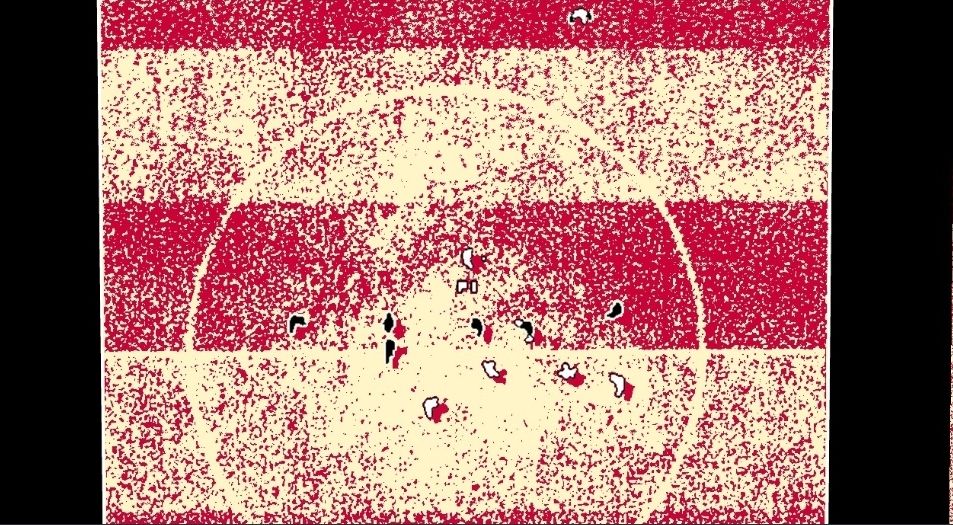
However, interacting with the town itself never quite resonated with me. I think what bothered me the most is that I almost never truly felt the excitement in the air as I played the game. While this isn’t always the case, you are often walking around the city while an important soccer game is going on. The game is on TVs all over the city (using actual TV footage from each game, although it is intentionally grainy), and I consistently found it a bit jarring that only a few people were actually watching the game. You spend a lot of time in a park, where people are doing yoga, feeding pigeons, and of course, playing with soccer balls.
You might stumble upon a vague conversation or two about the Ecuador team, but you find just as many conversations about generic things going on in people’s lives. I suppose that’s common enough. Not everyone in the country is going to be completely locked into the soccer team, no matter how big the sport is, but the actual soccer feels like a background element to a game that is supposed to specifically be about it. And while there are a few nice conversations that can give some glimpses into life in Ecuador, I felt like most of the conversations in the game are pretty generic and mostly consist of small talk.
Before the very end, there was maybe one scene in the entire game that I felt even did an okay job at capturing some of the excitement that was going on. This scene is during a wedding. This wedding is going to take place during one of the qualifying games, and it seems like against the bride’s wishes, the game is on during the reception. Even this scene fell a little flat for me. I tried to actually watch all of the highlights of the game because it was a very important one, and Julian’s mom ended up dragging me away from the TV minutes before the game ended. There were a few people watching the game at the wedding besides me, and mentions of waiters who were hiding away because they wanted to watch, but that was about it. Other than that, I rarely felt like the city was actually engaged with this special soccer team.
I will say that one of the last scenes in the game, where Ecuador finally officially qualifies for the World Cup, does hit pretty well. The game makes some interesting storytelling choices for this moment that are very different from how the rest of the game plays out. I don’t want to spoil those choices, but I found them fascinating. They do a few things here that I’m not sure I’ve ever seen a narrative game do. I liked some of the choices they made, but I also felt like those decisions encapsulated how hard of a time they were having actually capturing that feeling in the air throughout the rest of the game.
Kids Suck So Bad At Sports. I Could Easily Beat Dozens Of Kids At Pretty Much Anything. Complete Losers.
Despelote has a few other plot threads going on outside of the World Cup qualifying as well. Most of the new days in the game start off with a newspaper man shouting out about various events taking place in the country while this qualifying is going on. It seems the entire country of Ecuador is going through some pretty extreme economic and political turmoil near this stretch of qualification. Once again, I thought the game missed opportunities to dive deeper into these events. Admittedly, it’s probably impossible to run across every conversation that the game has, as you only have so much time to explore, but I really didn’t see tons of conversations about the economy or political events in the way I would have expected. While the game doesn’t take place during the height of the Ecuador economic crisis that is referenced in spots, it is pretty soon after, and I imagine there were plenty of side effects still going on that could have been explored (much like the USA’s much less extreme “great recession” still reverberates in some ways today).
The game also includes flashbacks to other points in Julian’s life, and I frankly didn’t understand what these accomplished. They offer very vague glimpses into Julian’s future but only rarely tie into the events at hand. Julian is a silent protagonist throughout the game, and these events didn’t do much to help me understand him as a character.
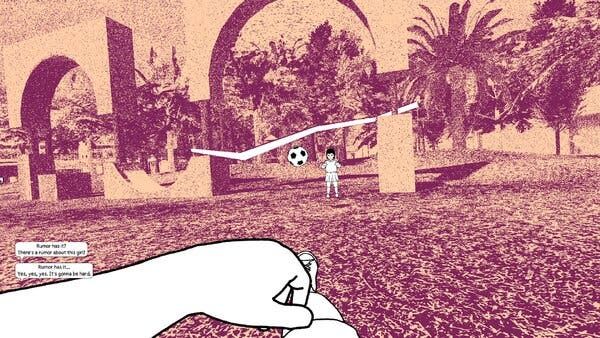
The little moments when you can “play” Despelote also just don’t work very well. As stated previously, you can dribble a soccer ball and kick it around throughout Quito, but the controls for both feel off and really imprecise. Perhaps this lines up well, as Julian is only 8 and probably not going to be all that great at kicking a soccer ball at this point, but it didn’t add anything to the game at all. This is all optional, but considering the themes of the game, it would have been nice if this felt decent. Similarly, there’s a soccer video game that Julian plays occasionally that feels even worse. You don’t have to “win” or really do anything with that game either, but once again, it might have enhanced the experience a little more if this was at least a little fun.
Saying A Game Is “Interesting” When You Didn’t Care For It Feels Like The Polite Way To Say You Think It Sucks, But I Do Genuinely Think This Game Is Interesting
Despite feeling pretty disappointed, I wouldn’t say I suffered through Despelote at all. It’s only about two hours, and at the very least, I found it interesting throughout my time with it. Despelote has a very unique setting for video games, it has an art style not quite like anything I’ve seen, and it tackles a topic in general that I don’t see a lot of video games address.
Now, I obviously didn’t care for the way that Despelote addressed its themes, established its setting, or developed its characters. To me, Despelote takes a lot of big swings and misses most of those swings. But I do respect the hell out of them for trying.
It’s very possible that this is an “it’s not you, it’s me” kind of game. My moment with the Lions two years ago was genuinely one of the most special in my entire life, and I was hoping this game would help me feel that moment again in at least a minor way. Outside of one very brief moment, Despelote misses the mark, but I am still glad it exists.
Score: 6.0/10
If you enjoyed this post, please consider following me on social media, or checking out The Big Nerd Gaming Podcast!
The Big Nerd Gaming Podcast on Youtube
 Big Nerd Gaming
Leave a comment