

Editor’s Note: For the second consecutive year, Andres has been generous enough to contribute an article to the blog for our end of year coverage. I want to thank him for his time and excellent writeups here.
Sadly, these moments are not ranked despite my best efforts to convince him to do so. I suppose I’ll forgive him. Enjoy!
You can follow Andres on Bluesky here, and on Threads here.
It would be awfully presumptuous of me to assume you know who I am, so let’s start at the beginning. I am AndresPlays, a writer, streamer, podcaster, and YouTuber who specializes in indie games. I do cover AAA sometimes, because after all, they are always a gateway to discover more passionate games. Furthermore, I also like to mention VR, but Westen doesn’t like that (Editor’s Note: True.), so moving on. With over 100 reviews under my belt until now, I would like to think that I have a respectable perspective on what makes videogames an elevating form of art.
Last year, I wrote my top 10 games of the year. For 2025, because I am well aware that our dear Big Nerd has all the rankings known in existence covered, I thought to myself, why not focus on something more intimate? Something that, as the year comes to a close, I know I’ll take with me into the future. This year especially, it truly feels like we were spoiled for choice. Whichever genre you look at, there is something of very high quality just waiting to be discovered.
The democratization of video game development was in full display now more than ever, with teams from Brazil, China, France, and more delivering outstanding experiences just like the ones they were inspired by from Japan. I have now heard from a couple of friends about choosing 2026 to be their “backlog year,” in which they will only play games they have already bought and are waiting for them. Considering the output we saw this year, I have no doubt even I will participate in this fantastic idea.
Every list is subjective, naturally, but this one is decidedly so. What touched me might not even move an inch to less emotional gamers out there, or maybe they simply were scrolling through their phones and missed an impactful cutscene. As always, if you would like to share your own favorite moments in gaming in 2025, please sound off in the comments. I will not discuss any potential spoilers at length and will only briefly allude to what I liked about each of the games mentioned without ruining it for anyone who has not played them. And now, here are my favorite moments in gaming in 2025:
Driving The Rainbow Road For The First Time In Mario Kart World
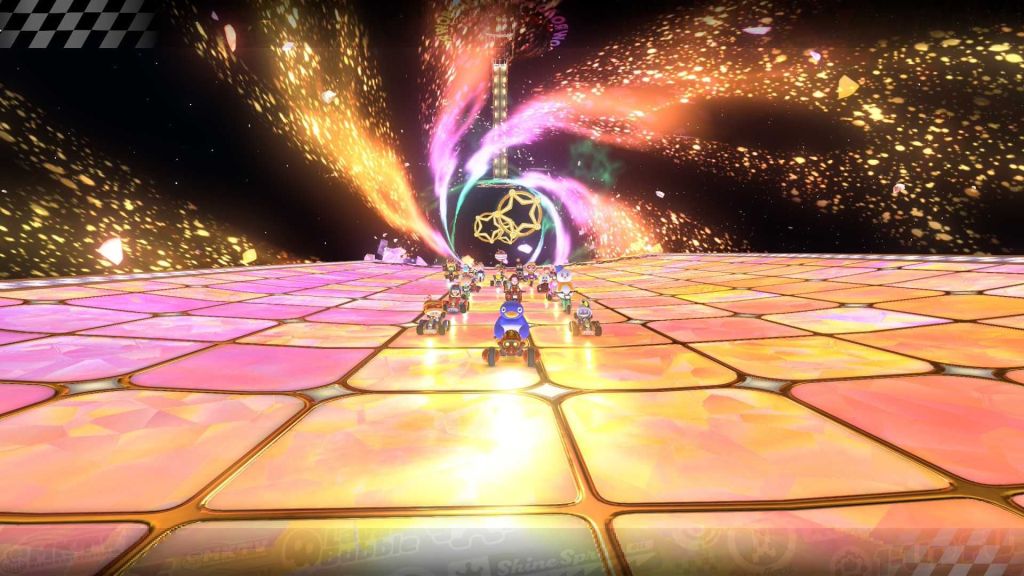
The Nintendo Switch 2’s launch in June was a resounding success, quickly becoming one of the best-selling consoles of all time. After anxiously waiting for 8 years for a system with mildly better specs to keep up with ever more demanding processing power, it was not surprising. Mario Kart World, on the other hand, was not as well received. Smartly bundled with the console or otherwise costing a criminal $80 USD, critics were rightly analytical to see what this new entry had to offer from the jam-packed Mario Kart 8 Deluxe.
With a promising open world, what players eventually found out was that it was mostly barren. Scattered activities to collect coins or brief races against time were not enough to entice exploration of this fun car utopia. What did shine, though, were the vibrant musical arrangements of classic soundtracks from the likes of Super Mario Sunshine and, of course, the Cups. Coming from 8 Deluxe, some people were understandably upset at the lack of content. But something that Nintendo did, and what keeps making them the crown jewel of games for kids, is hiding the Rainbow Cup until after you beat all the others before it.
As I grow older and increasingly cynical, only ever being surprised by carefully curated scenarios like the ones described in this list, Mario Kart World’s inclusion is mainly because of my 6-year-old niece. Yes, the new Rainbow Road looks radiant, with bright pastel particles adorning every turn. The road itself, shining like a galactic ballroom, was enough to guarantee at least a small gasp of surprise to see the latest iteration of a course I have gone through the last 30 years of my life. But it was not me, but my adorable niece who stood there, shouting in awe at how pretty everything was. I took a mental snapshot of this moment, instantly made aware that it was at this very formative experience that a new gamer was born into the family.
The Last Act Of Split Fiction

This list could be full of the culminating acts of many games, as that is where most narrative arcs bet big on. But I decided to write about Split Fiction because it is a nonstop barrage of iconic homages from Assassin’s Creed to Dark Souls. Then, in the last act, when all creative avenues feel exhausted, the developers out of nowhere flex how good they are at what they do. To not go into detail for those who have not experienced this immaculate moment, Mia and Zoe’s mind-bending adventure delivers in a way that had me audibly wowing at how it all looked.
Every boss fight and set piece in Split Fiction feels bombastic, such as the Halo sequence having you shoot your way in space as celestial beings collide. There are also the smaller, more subdued moments in which the two fledgling writers talk about their insecurities. The missable side quests (which shouldn’t be) are the absurd cherry on top, with changing art styles and gameplay. This is why, as the game is so close to ending and you believe there is nothing else it can do to surprise you, it does. It really does. If you have not played Split Fiction, grab a friend, and please do.
Sword Of The Sea’s Dolphin

Sword of the Sea is an introspective video game by way of Tony Hawk’s skating with a smoother twist. From the minds of Journey and Abzu, you can clearly see the DNA that led to this sword-surfing adventure. Featuring the music of Austin Wintory, it tries its best to instill a sense of awe as you travel through desolate deserts. Bringing them back to life by unlocking water sources, eventually changing the landscape to become a sea, flying marine life adorns the new biome. Occasionally, the well-known camera pullback often seen in FromSoftware games shows how beautiful this abstract scenario is, usually after slowly opening a large door to access a new area.
While the kinetic gameplay itself is not challenging in the least, zooming across the environment like on a snowboard makes it feel like no other video game released this year. One of the tricks up Sword of the Sea’s sleeve happens not long after the first hour. Bringing a frozen dolphin back to life thanks to your magical powers, the game suddenly has you on the back of it, going even faster than you thought possible when going down a hill. In an experience so focused on taking a step back and making you reflect on your relationship with nature, the flow state atop an impossibly fast dolphin feels at odds with it. Yet somehow, it works.
Reaching Room 46 In Blue Prince
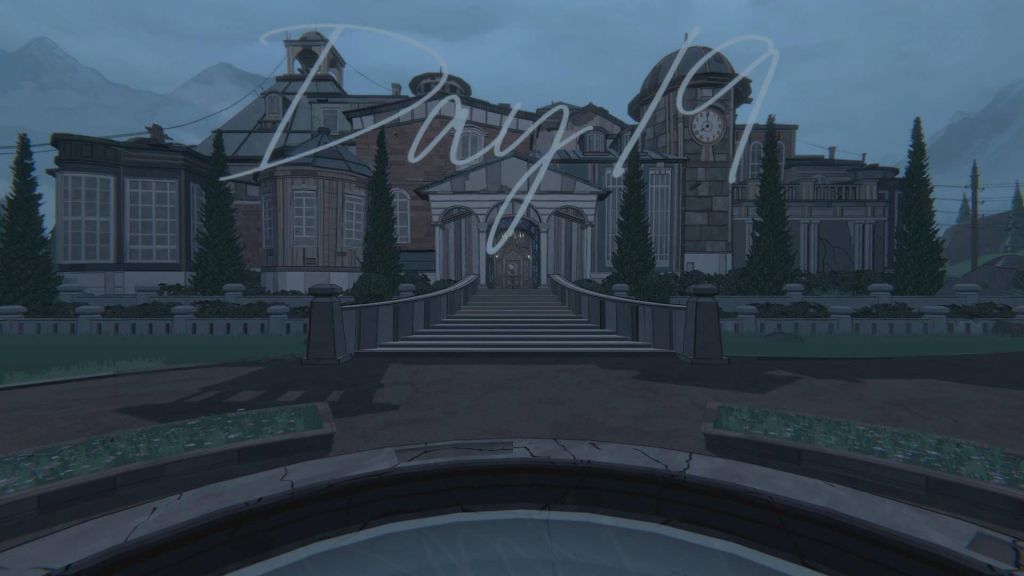
Young Simon P. Jones is a prodigy who finds himself trying to reach room 46 of his grandfather’s mansion to claim his rightful inheritance. As always, there’s a catch. Every new day, the structure of the estate changes, making it virtually impossible to track a single path to reach said room. There’s also the fact that Simon can only walk an established amount of steps before he gets tired. And the house, in its arrogance, sometimes gives you the worst rooms possible to end up locking you out of options, rendering a day useless. No matter, as your determination will defeat this house’s seemingly endless secrets to achieve the inconceivable. Boasting a 13.5% completion ratio of the trophy reaching room 46 on PlayStation, you bet that this unique puzzler will question your very soul.
Blue Prince is a game that I have described as being like going to therapy. It’s messy, you sense that there’s no point in doing it, and when you have a breakthrough, you find out that there is another door in the door that you just opened. Once you slow down from the hustle and bustle of daily life, there is a method to the madness. Only rewarding the most fervent of players, this game feels more like an overtly complex puzzle that you need to wrap your head around than an actual roguelike, as it has been described as. Ingenious to no end, Blue Prince is never punishing but rather stern. As I said to a friend who had been playing it on a stream, “Do not feel frustrated. Trust in the house that it will give you the tools that you need to proceed.” For a game to make me feel this mystical way is nothing short of astounding. In the end, he reached room 46. And so will you.
And Roger’s Revelation

And Roger is a point-and-click visual novel that I am sure many people have not even heard of. I did not even know about it myself until a couple of days before it was released earlier this year. And Roger is so challenging to talk about because it hinges on an extremely impactful revelation during its short hour of runtime that left me tearing up. The less you know about its emotional payoff and theme, the more it will wreck you. There is more I wish I could say, but there are some moments that are better off discovered firsthand. Play And Roger.
The Outer World’s 2 Character Creator

Ever since Skyrim came out, Western RPGs have made the mistake of allowing players to witness almost everything the game has to offer in one playthrough, throwing the pesky term role-playing under the bus. Not in The Outer Worlds 2’s case. As soon as the game starts, the robust character creator lets you choose from six classes, from an ex-convict to a professor, defining how you will interact with the world and vice versa. The perks you decide will define what you can and cannot do, putting strict parameters on what is possible in one run.
Because The Outer Worlds 2 has many ways to tackle every encounter, depending on whom you pick to play as will define how you engage: go in guns-blazing, take a more tactical, sneaky approach, or straight-up walk to them and disarm them with your silver tongue. There is also the possibility to hack a computer and let some turrets do the dirty work for you. No two playthroughs will ever be the same, and this is a risk I deeply value about this game. From its foundations, you can see that they committed to how the players will react. Those undecided who choose every pathway, effectively becoming a Master of none, will not reap the rewards as those who roleplay into their characters. The ones who do can look forward to building a believable protagonist with agency. I would like to see more of that.
Ball X Pit’s Fusion Reactor
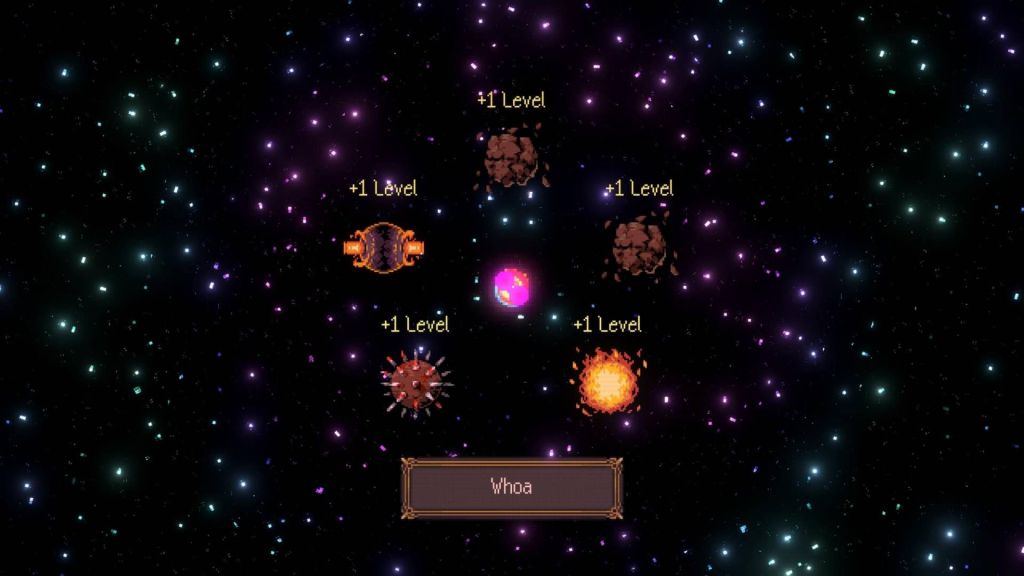
I have a love-hate relationship with “Balatro-likes.” Games that, from their very beginning, have a deeply addictive core gameplay loop. Even though you will not get much out of it, you will still likely keep coming back to it because it scratches that dopamine part of your brain. Ball X Pit is the latest to exploit this weakness in our construct to great effect. Basically it’s a pinball game where you bounce balls against enemies and projectiles from a top-down perspective. What Ball X Pit ingeniously does is add new balls and eventually fuse them in a dazzling animation to strengthen them with new power-ups each time. It is as fun as it is rewarding. Approach at your own risk.
Naming The Calicorns In Herdling
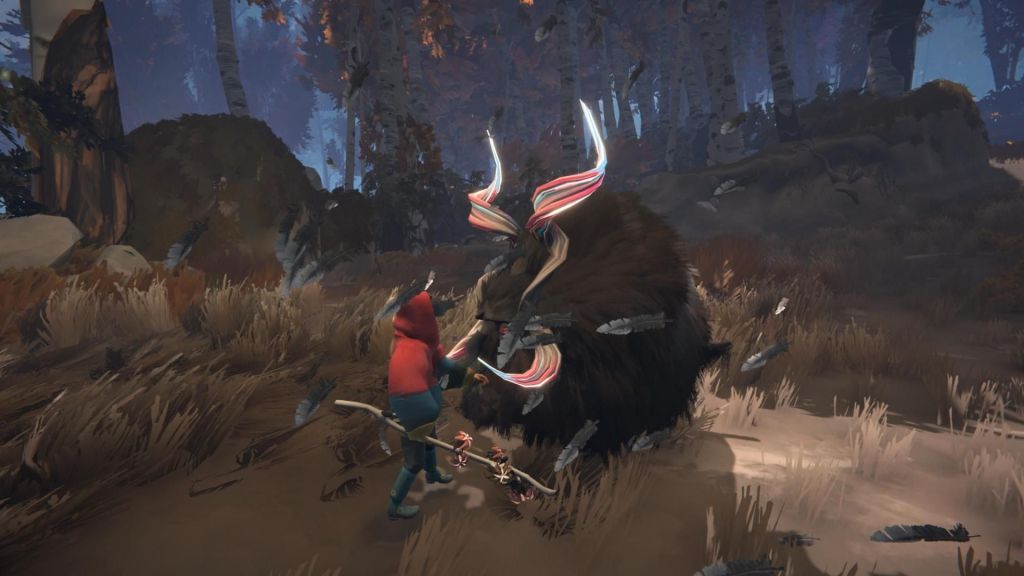
Herdling is a game that is rather simplistic in its goal. To herd a bunch of adorable but clumsy furry animals known as Calicorns through breathtaking, and sometimes dangerous, landscapes. Looking like a mix between a mammoth and a bison, you can decorate, cuddle, and play fetch with these affectionate creatures. Most importantly, you can name them. The act of naming something gives it power, and in my case, as I named them after the friends who were chatting on my stream, I was extra careful not to have them die on me (because they can). Reaching the top of a mountain after an arduous journey is not easy, but looking at these supportive pets next to you, safe and sound, makes it all worth it.
Consume Me’s Dieting
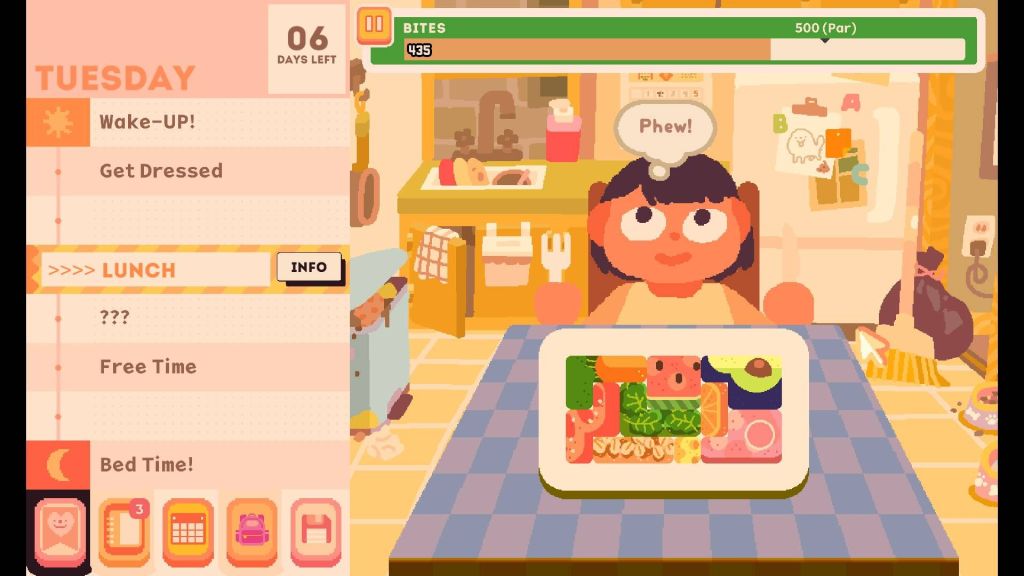
Consume Me is an autobiographical coming-of-age story by way of WarioWare-style minigames. Helping Jenny organize her life through high school, it is a difficult task to keep up with the pressures that it entails: doing extracurricular activities for college, hanging out with your new boyfriend, and, most importantly, staying skinny through it all. Consume Me tackles serious topics such as eating disorders and the unrealistic expectations we put on ourselves, but with a lightheartedness that it is difficult to not be endeared to.
Every morning, Jenny wakes up and has to eat before going to school. This is represented in a Tetris-type game where the food needs to fit neatly in exact geometrical shapes. Not only that, but you also need to consider not consuming too many calories with cookies or pizza, because that will draw you over the line allowed. If you do not go to bed with a calorie deficit every night, either through exercising or eating less, you will simply fail in your quest and get a game over. A reminder to the overachievers, this everyday balancing act portrays the extremes this character puts themselves through to become the best person they can be, even if that idealized version of ourselves is nigh impossible to reach.
Keeper’s Lighthouse Transformations
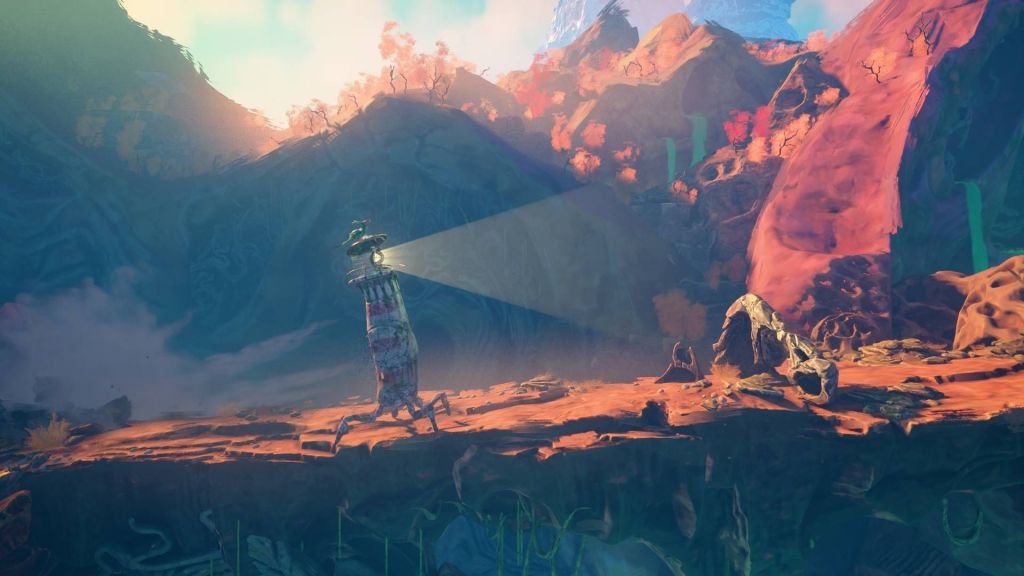
Keeper is a strange beast. Then again, I would not expect less from Double Fine. Embodying a moving lighthouse through surreal, colorful landscapes to drive a point home of transformation, there’s quite nothing else like it in 2025. What is memorable about this journey is that at some point, the lighthouse changes. It changes into a boat. It changes into a bird. It changes into the most unimaginable things. The debate over whether videogames are art is one that never truly goes away, but Keeper gives a definitive answer: yes, yes they are.
Constance’s Minigames
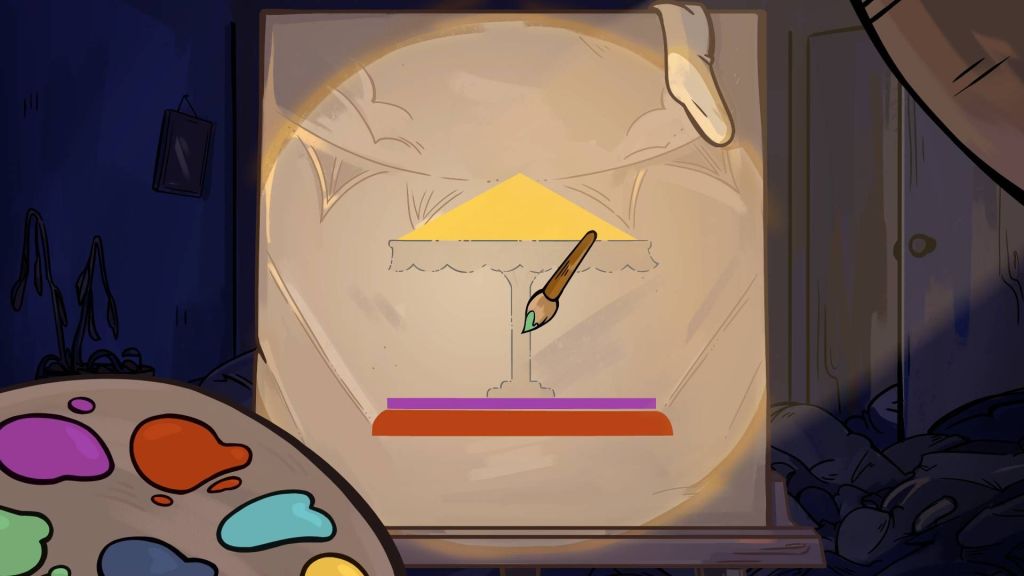
Videogames offer a unique window into our lives, and by gamifying them, they drive the point home in such a unique way that no other form of media ever could. Case in point, Constance’s minigames. After you defeat each one of the main bosses in this stunningly hand-drawn Metroidvania, you get a glimpse into the real life of the person behind it all. They are imagining the little painter known as Constance fighting all the trauma that she has had to endure. With each boss requiring a moderate amount of skill to beat, these sequences feel well-earned.
“Connie,” as she is referred to by her coworkers, is haunted by visions of the darkness creeping in because she just cannot take a break. Trying to paint recreationally or organizing a photo album, each of these simple tasks cannot be done in peace because she has not faced the truth of the matter. She needs to face her inadequacies, even if it is an ugly truth. One of the most impactful recreations of burnout, Constance is a tragically beautiful experience that will keep you thinking about it long after the credits roll.
Every Hades 2 Run
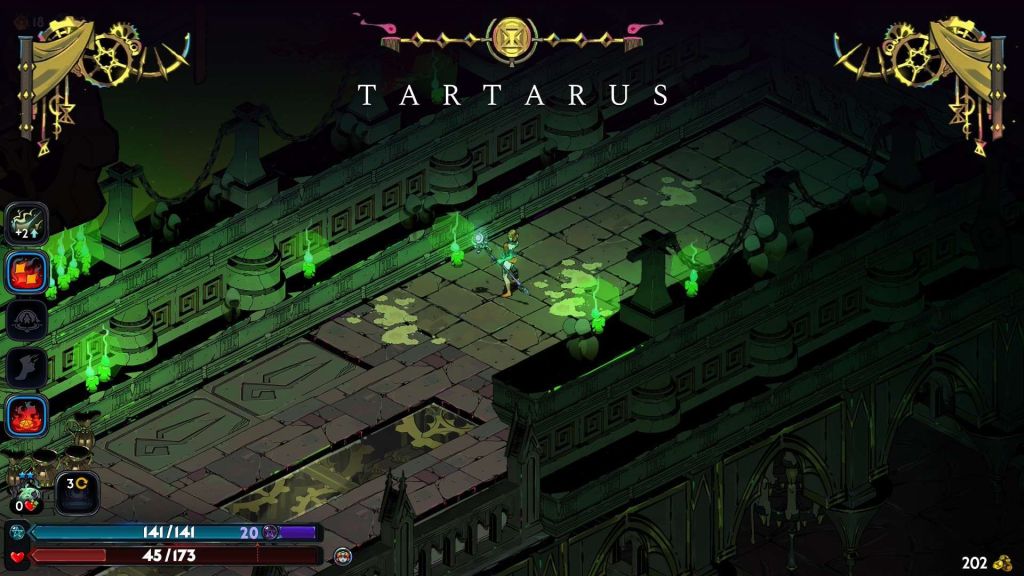
There is something to be said about a videogame’s technical achievement that makes me drop everything and “lock in.” Every time I started a new run in Hades 2, a sequel to the game that practically ignited a wave of roguelikes to flood the indie market, I would not be anywhere else but in the moment. I would not look at my phone, I would not listen to a podcast while playing, and I would just be thinking about one thing: Death to Chronos.
While the characterization in Hades 2 leaves something to be desired, it gives a friendly introduction to Greek mythology, with Odysseus, Sisyphus, and the pantheon of hot gods ready to support or challenge Melinoe. To end each run by giving a kiss to Frinos’ forehead or speaking with the charismatic Dora was a ritual I would look forward to after each run, regardless of whether I had defeated the final boss or not. Hell, I even bought a Frinos plushie, if you can believe it. That’s how much Hades 2 had its grip on me. As I write this, the urge to play one more run is latent.
Ghost of Yotei’s Open World Reveal
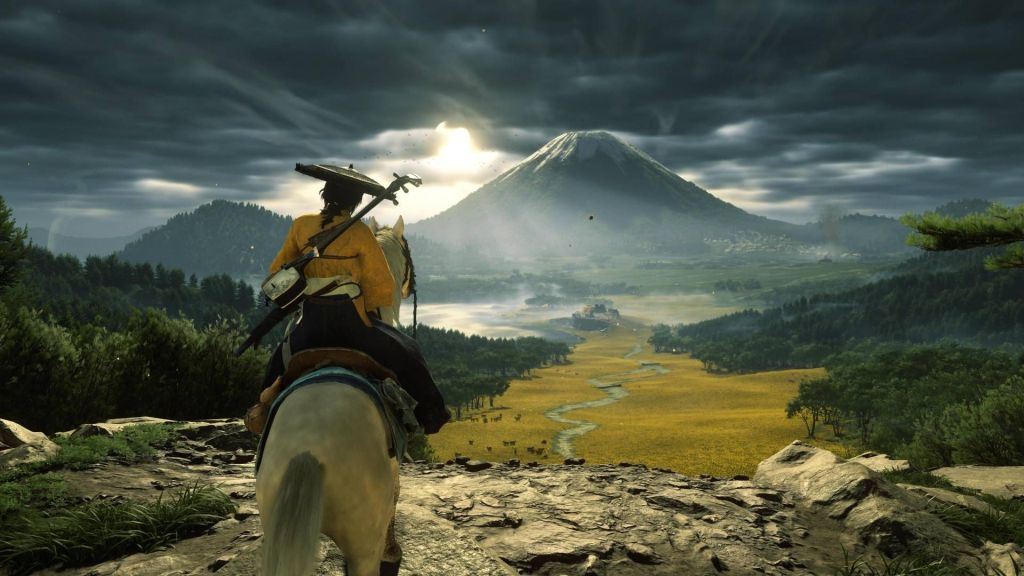
Ghost of Yotei had big shoes to fill compared to Tsushima’s introduction. Loud, explosive, and thrilling, this new IP from Sucker Punch certainly made a splash and gained multiple fans in the process. So how would Ghost of Yotei follow it up? With a more subdued, equally impressive but calmer reveal. One that lingers after you have rolled credits. What the Ghost series has achieved is refining the Assassin’s Creed formula while making it more approachable to open-world players.
At this point, many of us have played dozens of them, and the cracks in that game design are starting to show. This is why I appreciate Ghost of Yotei’s presentation. Instead of showing me a laundry list of activities I need to complete, it guides me with the way the wind blows or by following a friendly yellow bird. Sometimes, less is more, and the fact that Ghost of Yotei continues to awe as it nonchalantly progresses makes it a sequel more sure of itself in every way.
Death Stranding 2’s Cutscenes
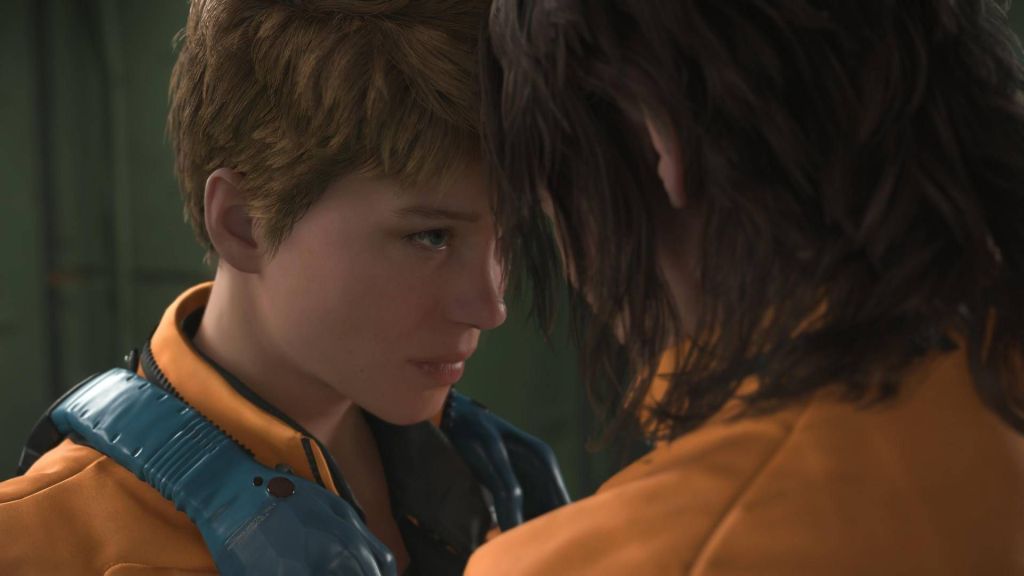
Anyone who follows Hideo Kojima’s social media feeds will clearly see that this man is a film buff and has a reverence towards the medium. To see it so directly translated into Death Stranding 2 is life-affirming. Every cutscene is impeccably directed, from the angle to the composition; Kojima Productions knows what it’s doing. For a game that has such lengthy expositional conversations, it is at least refreshing to watch the amount of care put into what most people do not even perceive.
The cinematic reveal of Tomorrow, Rainy’s introduction, every sincere conversation Sam has with Fragile. When I think of each one of these scenes, I get emotional. Not just because they are well-written in a game rife with exposition, but because it also knows exactly when to show you what it needs to for maximum impact. I can confidently say that Death Stranding 2 is one of the games with the greatest cinematography to ever exist, if not the best.
The Gommage in Clair Obscur: Expedition 33
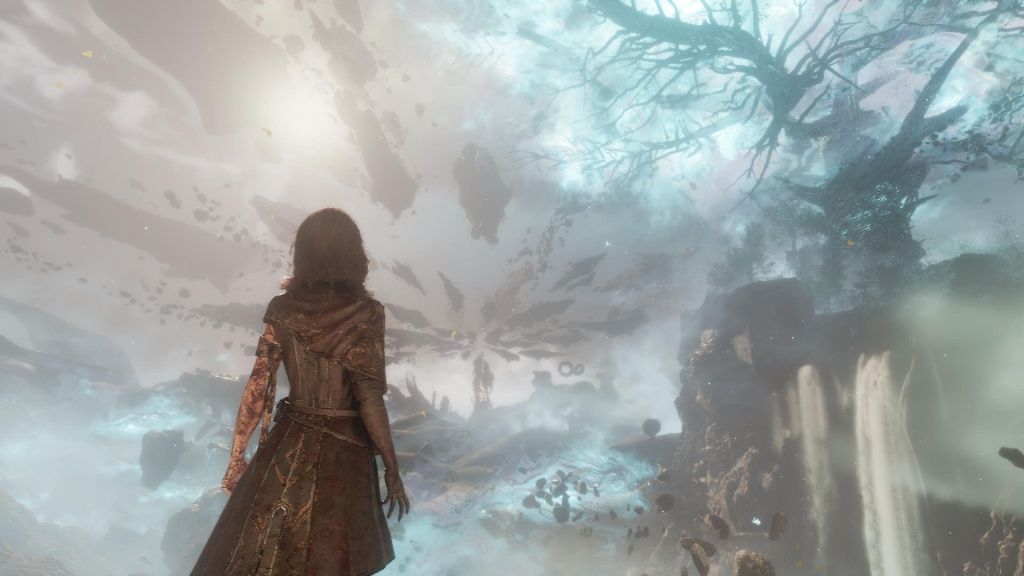
Scarring a new generation much like Aerith’s death in Final Fantasy 7 back in 1997, Expedition 33’s melancholic tone is set from the very start. Described by some as a transcendental achievement, it takes no time to pull at your heartstrings. In a tragic, desolate world that literally erases people of a certain age by an indifferent godlike figure known as the Paintress, holding on to hope is the only option. Within the first hour of the game’s prologue, you are fully on board with these Belle Epoque people’s plight. This is in no small part due to its emotional soundtrack and riveting combat system.
Packing a punch all the way through its carefully crafted narrative, the Gommage is just the beginning of one of the most somber video games I have ever played. No one is spared from devastation, but it is their camaraderie and looking squarely in the eyes at certain death unflinchingly that motivates players to attain this expedition’s goal. Formed by a cast of equally fallible and personable characters, Clair Obscur’s brilliance relies on making you fall in love with each one of these tenacious warriors of light. Going against insurmountable odds, defying destiny has never felt so right.
—
I have seen the Big Nerd Gaming blog seize the moment throughout the year, and I am rooting to see it continue to expand.
I remember watching the latest brilliant James Gunn-led Superman movie with fear. After years of being treated to cynical, unsympathetic superheroes from The Boys to Invincible, I did not know what to expect. And when I saw him rescuing a squirrel from certain death, it was clear: I was fully on board with this interpretation of the legendary character. It’s important to reminisce about the moments where media completely won us over, because those are where we feel the most alive.
Thank you so much for reading my work, be it the first or most recent time. And to Westen for the platform. In this extremely difficult year for many of us, I wish you a moment of respite to be able to face each new day with renewed passion. Happy holidays.
 Big Nerd Gaming
Leave a comment