

I seem to complete something like 40 games a year on average. That seems like a crazy number, especially considering that I am a working father. But the key to reaching that lofty number of completions oftentimes just boils down to the fact that I play a lot of shorter games. A good chunk of my completions each year are thanks to indies that are under the 10 hour mark. As someone who loves experiencing different things all of the time, it is these games that make me enjoy this artform so much. I love having these quick experiences that do something different in between the occasional massive and epic games that I play.
For whatever reason, a lot of short indie games that appeal to me have been coming out in the past month, so I have been steamrolling through completions. I am up to 29 so far this year, and I’m sure more are on the way. I’ve rolled credits on 5 games in the past 3 weeks or so, which has created a serious backlog, as I try my best to review every game I beat for the blog.
But these games also kind of stress me out from a writing perspective. I feel like I have a standard of sorts with Big Nerd Gaming reviews. Almost everything I write ends up at 2000+ words. That’s not what I necessarily set out to do with this blog, but it’s how things are. These short indie games make it really hard to get to that standard. When a game is 3-6 hours, I just don’t always have as much to say about it.
So, I’m trying something a bit new today. I have three games that I want to review. I felt like all three would run short of my usual review standards. Thus, I am just combining them all into one review instead. This is kind of like my gaming roundups, but this time, I’ve actually completed all of the games, and I’m not in the middle of them (OK, I’m 95% through one of them). With that, here are reviews for Ninja Gaiden: Ragebound, Sword of the Sea, and Is This Seat Taken?
Ninja Gaiden: Ragebound
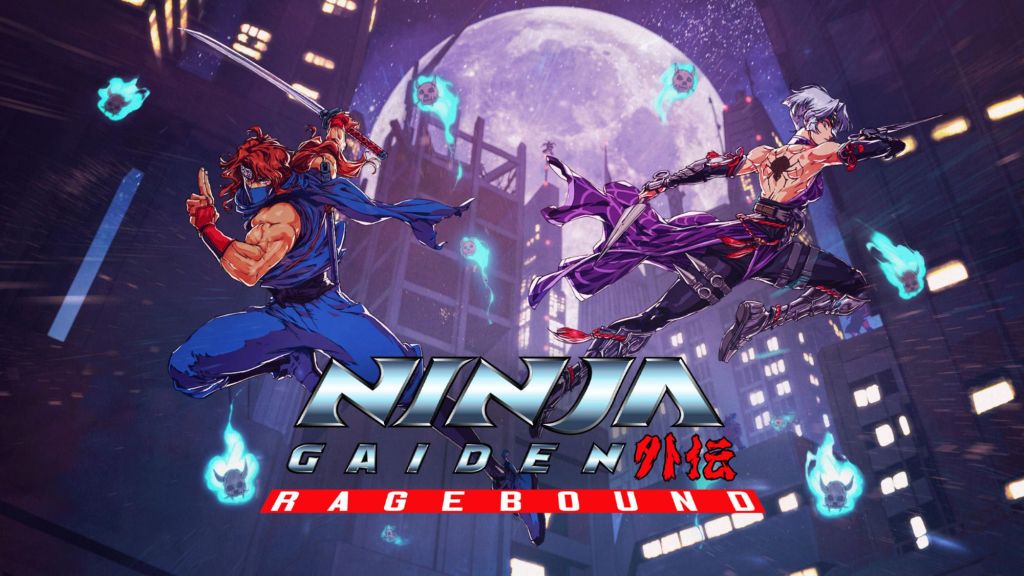
The Game Kitchen, who made the Blasphemous series, are the developers for Ragebound. The Blasphemous games are acclaimed for being slightly souls-y Metroidvania games. I played Blasphemous 2, and the combat is really strong in that game, but I never thought the Metroidvania elements were all that special. This is a common trend with 2D action/platformers. There seems to be a belief that more linear games aren’t going to sell as well as Metroidvanias, so a lot of games seem to pursue the Metroidvania route. Oftentimes those elements actually detract from the game, because the developer wasn’t truly all in on them.
My hope is that Ragebound will inspire more developers to avoid the Metroidvania route if it’s not what they really want. Ragebound is just an unapologetic, balls to the wall action game. The game encourages you to go fast, and it really doesn’t reward exploring its levels all that well, but it all feels purposeful. Ragebound knows its strong points and wants to make sure you are focused on those strengths.
Ragebound’s biggest strength is in making you feel like a badass. You can take out a good chunk of your enemies with one shot. You can bounce off enemies and objects with your jump and string a bunch of cool combos together. The game also has a color coded power up system, where if you take out enemies with a ranged or melee attack depending on their color, it powers up your next attack, which allows you to take out harder foes in one shot as well. If you do things right, you can steamroll through levels and just annihilate every foe that stands in your way. Ragebound is one of the best games out there at fulfilling the power fantasy that only video games can provide.
With the aforementioned ability to pogo off enemies, the platforming can also be cool as hell. There’s definitely more than one time that I pulled off a series of jumps, with maybe an attack or two in the middle, and almost had to stop and admire how neat what I just did was. I also like the boss fights in the game. I wouldn’t say they are at the highest level for being interesting, but they have some twists, and the difficulty balance on all of them is just about perfect. They are tough but never overwhelming. The level variety is also a highlight of the game. Ragebound throws a nice variety of set piece moments at you to go with its standard action and boss fights that kept things fresh throughout my 6ish hours with the game.
My main issue with the game comes from the aforementioned color coded power-ups. The game is really built around this system. When you go through levels, there are grunts that take one shot to defeat and elite enemies that take multiple hits. These more elite enemies can often shield themselves when they aren’t attacking, and they often get placed in strategically advantageous locations, so they can be really annoying to fight if you aren’t powered up. So the game is really built around getting powered up and then taking these foes out in one shot. This feels amazing when you do it, but it’s structured in really silly ways sometimes.
Whenever you come across an elite enemy, you are often incentivized to literally stand there and wait for a second before engaging, as an enemy that can power you up is usually going to show up soon after. It really makes no sense to fight these enemies without a power up, so there were a lot of spots where my general flow was stopped for a second. Using this system can also be frustrating at times. The game loves to have little enemies run in out of nowhere, so there are many times that my powered up attack would end up hitting a small enemy that literally just spawned instead of the elite one I was aiming for. I would then have to get past that big enemy without the power up. And fighting a lot of these elite enemies is just not fun without the charged up attack. Not necessarily because they are so hard, but as stated, a lot of them shield up a lot and don’t have tons of openings, so they take way longer than they should to take out. It’s a lot of waiting. That waiting feels even worse when the general flow of the game is so fast.
I also was hit or miss on the platforming. I found it odd that the combat in the game allows you to take quite a few shots, but falling into a pit was an instant death. It’s especially weird because the platforming is more punishing despite the combat being the better part of the game in my view. I had a few small issues with the platforming. Clinging to ceiling sections is a bit awkward, and there were plenty of times it didn’t work quite the way I wanted. There are also a few platforming sections that you have to do in a limited period of time that can be a bit trial and error. I’d say it’s good overall, but there were just a few awkward moments here and there.
In the end, despite the few issues, I had a great time with Ragebound. The balls to walls pace is an absolute thrill, and when everything was clicking, it can provide one eye-popping moment after another. I’m not a guy who replays stuff often, but it’s an extremely replayable game as well, thanks to its grading system, the brisk levels, and the hard mode that unlocks after you beat the game. If you want a 2D action game that fully embraces that it is a 2D action game, Ragebound is an easy recommendation.
Score: 8.0/10
Sword of the Sea
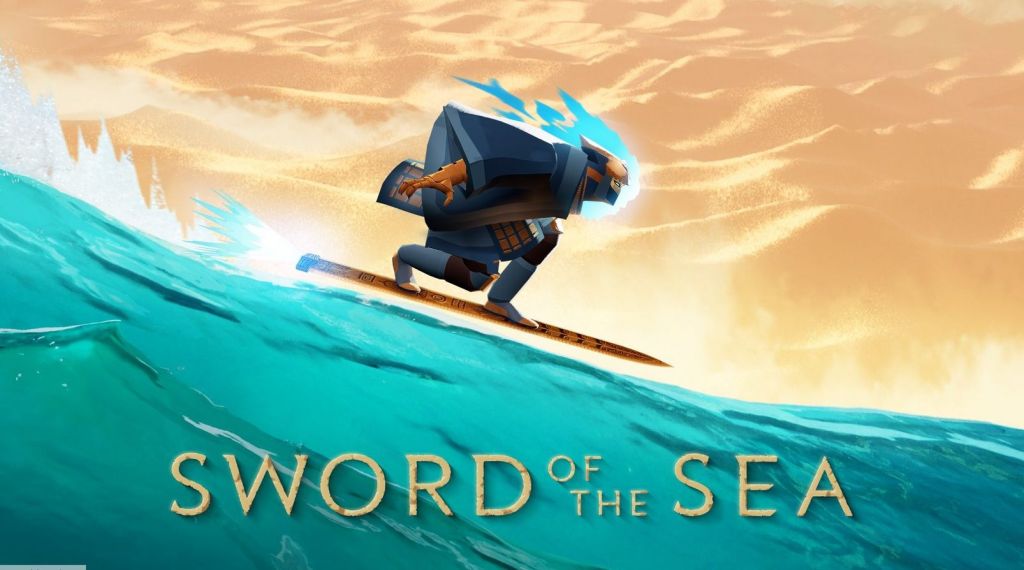
Sword of the Sea is another pleasant narrative adventure from many of the minds that brought you Journey. Journey is one of my favorite games of all time. When I made my list of my top 10 video games as art, I gave Journey the #1 spot. Not only was that game beautiful from an art direction standpoint, but it was also a very emotional experience, between the smart co-op elements and the slightly abstract story it tells.
Thus, it’s tough on Sword of the Sea to be in that shadow, but it manages to break free from Journey at least as an audiovisual experience, even if it isn’t particularly poignant like Journey was.
Sword of the Sea is all about gliding across all the various terrain in the game on a sword that functions like a surfboard of sorts. It’s a bit awkward at first, as when you stop moving the joystick forward, you stop immediately on most of the terrains in the game. But after I got used to it, it’s good and mindless fun. I think the biggest strength of the game is that it allows you to interact with its world in so many cool ways. You’ll spend a lot of time jumping on jellyfish, grinding on chains, and doing other surprising little things in the world. It’s simple, but the sound design and visuals combine to make it a very satisfying and enjoyable world to be in. The music is also consistently good throughout the game.
The game also does a great job of mixing up its environments. The second I felt like an area might be wearing out its welcome, I was somewhere completely new. I was really surprised by how many things I experienced in Sword of the Sea in less than three hours. That also goes for some different movement mechanics that the game throws at you as you get further in.
You can also optionally do tricks like a Tony Hawk game, and most of the rewards for exploring the world and gaining resources revolve around new tricks. I mostly ignored that, as pulling off tricks in the game never felt all that good to me. Luckily, it’s pretty dang easy to ignore this mechanic. Unfortunately, the last section of the game does have a more action oriented sequence that is mandatory, and while it wasn’t particularly hard, I thought it felt terrible the entire time. Sword of the Sea excels as just a chill exploration game, and this sequence just didn’t work.
But despite a bit of sourness at the end, it’s tough for me to complain much about Sword of the Sea overall. It’s just so pleasant. The ethereal vibes, the awesome visuals, and the excellent music all combine to create a game that is a joy throughout its roughly three hours.
Score: 8.0/10
Is This Seat Taken?
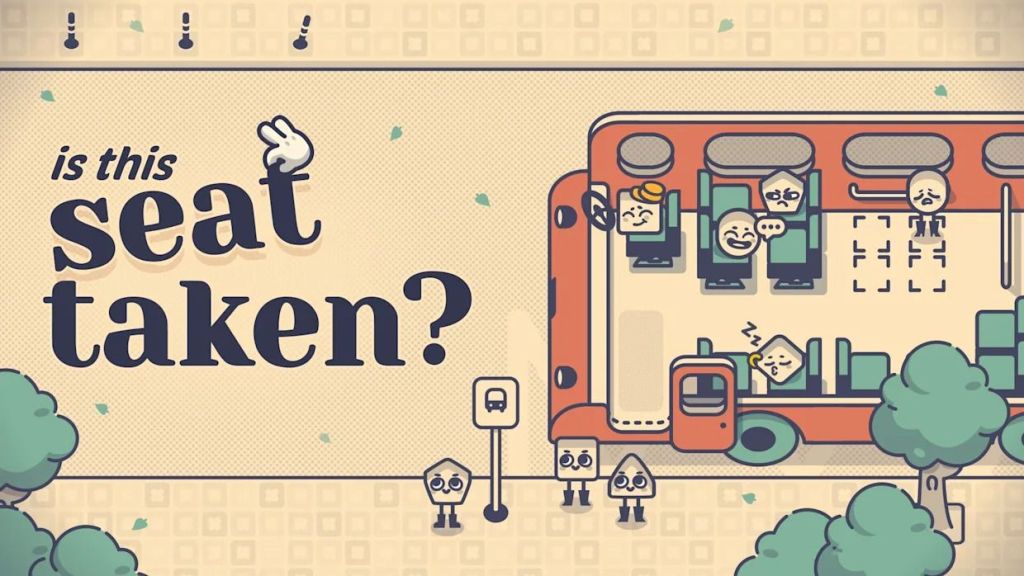
I absolutely adore the concept of Is This Seat Taken. The game puts you in different scenarios where you have to pick a seat or place to stand in various areas for a bunch of people so that they can all be happy with their spot. It makes me think about how often I am solving this exact sort of puzzle in my everyday life. Every time I’m able to seat myself at a restaurant, there’s a calculus that goes into where I decide to sit. When I go to a concert with general admission, I think about where I want to stand. When I go to a big public area and I go to the bathroom, there’s a formula that goes into deciding where I’m going to pee (they really needed this scenario in the game).
In each level, the game gives you a bunch of cutely designed people that look like various shapes and lists out their preferences so you can decide where to place them. For example, when you have levels involving fimding seats on a train, some people will want window or aisle seats. Most levels have people who haven’t showered, and then other people who can’t tolerate being near anyone who smells bad. It’s simple but fun. The excellent art, sound design, and breezy music all contribute to a really pleasant vibe. When you finally get everyone in a spot that they like, it is very satisfying. My general goal was to analyze everyone’s preferences and place the people who had very clear spots where they needed to be first and then figure out the rest from there. For example, in the movie theater levels, it’s easiest to place all the people who want to be in the front row first. From there, you end up experimenting and playing around with the other people until you get into the right solution.
I think I enjoyed the game most when they got weird with the levels or really mixed things up a bit. Originally, I thought the game might only have scenarios with things like public transportation, but it does put you in places like movie theaters, in a park, and in an office.
But I also wish they mixed things up a little more. The game keeps bringing you back to the same locales as previous levels, with usually only very small twists on the formula when they do so. So even though the game is only 6 hours, my momentum slowed down quite a bit in the back half of it. I think I especially started to wear down a little bit as the puzzles got more complicated. Not because the game was all that hard, but the process of solving some of the bigger puzzles can be kind of annoying.
Is This Seat Taken? has a lot of clever visual cues to show you elements of what you need to know with each person you are trying to place. For example, the people who haven’t showered have a bit of a stink cloud around them. People who are playing music have a music icon above them. People who want to talk to someone have a speech bubble above them. The problem is, there are no visual icons to let you know if someone doesn’t want to be around someone who stinks or if they don’t want to be around someone who plays music. Generally, I’d try and place stinky or loud people in corner areas where they would be the most out of the way, but that’s not always possible.
Also, as I talked about, outside of a few people, it’s pretty hard to truly plan out where to put everyone before you start, so you do a lot of experimenting and trial and error to get everyone in the right spot. In some levels, I would just be placing my last few people and hoping that there wasn’t anyone with a conflicting trait next to them, as it is pretty annoying to re-read every description about every person before placing someone down. As good of a job as they did with some visual cues, I wish they had been able to come up with indicators for every single trait both positive and negative so that strategizing was a bit more seamless. Re-reading traits can really bog things down, and it’s kind of inevitable that you will have to do this when you have 12+ people with all different preferences to place in each level.
Despite the complaints, Is This Seat Taken? is still an enjoyable time. I feel like it’s best played a few puzzles at a time at most, but I really enjoyed it as a quick break from whatever else I was doing. I think a sequel where they really go wild with the level variety and a few tweaks to the visual indicators would be enough to create a game that I would really love.
Score: 7.0/10
Full disclosure, I still have about 20-30 minutes left in the game, but I feel confident that nothing is going to make this score any different.
If you enjoyed this post, please consider following me on social media, or checking out The Big Nerd Gaming Podcast!
The Big Nerd Gaming Podcast on Youtube
 Big Nerd Gaming
Leave a comment