
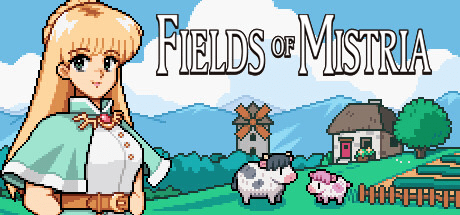
If you’ve been following the blog this year, I feel like I’ve said at least a dozen times that 2026 has not lived up to the past three years of gaming. This isn’t some massive tragedy. I think 2023 through 2025 were genuinely some of the greatest gaming years of all time. All of these years featured a lot of extremely high quality AAA and indie games that covered a very wide range of genres. I also think that a lot of games that may have been released earlier ended up coming out in this stretch because of delays that arose from COVID in 2020 and 2021.
Meanwhile, 2026 has merely been “good.” In the past three years, the only games touching my top 10 lists were 8.5s or higher. About a month ago, my top 10 games of 2026 still featured five games that I gave an 8/10. I only had two 9/10s, and nothing higher than that. In 2023, 2024, and 2025, I ended up with ten games that I gave at least a 9/10. Once again, it’s not the end of the world, but it was a tad disappointing after eating so incredibly well for several years in a row.
But things change fast in the world of games. In the past month, I suddenly started playing three different games that won me over and then some. Now, when I look at my 2026 ranks, they are inching into a much closer place to past years, especially if the next few months deliver in the way I think they can. Here are the three games that quickly flipped how I’ve been feeling about 2026. The first two games are my mini-reviews since I have finished them. The third game is one that I am still in the middle of.
Assassin’s Creed Black Flag Resynced
A review code of this game was provided by Ubisoft.
I had seen plenty of people excited for this one, but my interest level in it was completely nonexistent. I tend to love the new Assassin’s Creed games for a while, but then I burn out hard. A remake of Black Flag also seemed a bit unnecessary to me, and the original game was one that I liked well enough, but that also didn’t stick in my memory much. But the reviews were a lot stronger than I expected, and I ended up with a review code, so I gave it a shot, and at least for a short spell, it was my favorite game of 2026 so far.
I think a big reason as to why I usually burn out on new Assassin’s Creed games comes down to the games being so huge and not having enough going on to justify the longer runtimes. I think the stealth in this series is great, and the combat is solid, but clearing out enemy bases and such gets old after a while. There usually isn’t a ton of variety in what you do, and recent games have not had characters or stories that have drawn me in at all to keep me engaged otherwise.
Assassin’s Creed Black Flag Resynced somehow fixes all of my complaints and is now my second favorite game in the series, behind the one game that did have me engaged the entire way, Assassin’s Creed Odyssey.
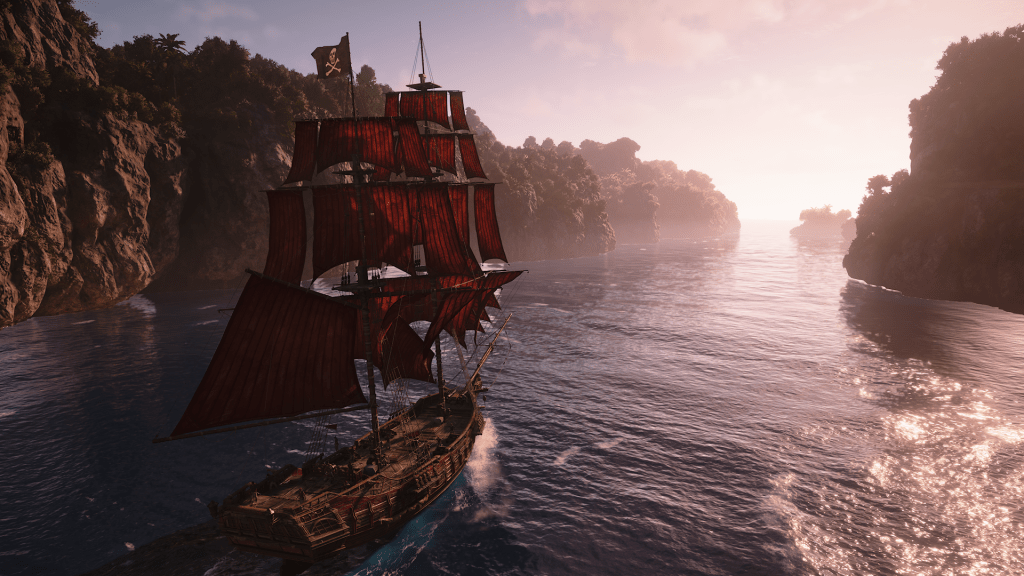
The biggest difference in the game is obviously the heavy inclusion of ship combat. This breaks up the standard stealth and combat wonderfully. Skull and Bones being so bad actually made me forget how good the ship combat was in Black Flag.
Black Flag’s ship combat excels for a few different reasons. First off, I just love the camera perspective. The game doesn’t zoom out more when you are on the ship to give you better vision as to what is going on, so you really feel the impact of both incoming and outgoing fire. The water physics are also a lot of fun. Waves can really interfere with your vision, which makes aiming your shots a lot more challenging than you’d expect in a lot of good ways.
You also get a nice complement of weapons and tools without it ever getting overly deep. This is very much arcade ship combat, but the number of options you have and the slower movement make a lot of these battles much more strategic than you’d expect. I was constantly thinking about what weapon I should use in each scenario, whether I should try and board a ship to heal my ship, despite there being some risks attached to that, and when I should use my ram ability over keeping my distance. It’s just challenging enough and just thoughtful enough to be engaging, but it’s simple enough that it’s very easy to just pick up and play. I don’t enjoy the ship combat enough to play an entire game of just that, but it’s more than good enough to carry the 30% of the game or so that it takes up.
The beauty of the ship combat is that it also feeds into everything else you do in the game on foot. I upped the ship combat’s difficulty to “hard,” and every upgrade in the game feels very vital when you do so. The ship has a skill tree, and you need to gain resources during ship combat, and also explore and find treasure on foot in order to unlock everything. Oftentimes, the RPG elements in newer Assassin’s Creed games can lose their charm fast. There can be a bit too much going on, and the mix of upgrades that are mostly minor and enemies that scale up in power with you make the work you do feel somewhat pointless at times. Black Flag has a much more narrowed down system that makes everything you do with the ship in particular feel very impactful. It was a big deal every time I upgraded my ship in any way. My only issue with the upgrade system is that you have to do some very specific tasks to unlock the final upgrades to the ship, and they are very easy to miss unless you are doing a completionist type of playthrough.
Meanwhile, the more standard Assassin’s Creed gameplay remains very solid. The stealth is about as you will remember it. The game gives you large sandboxes where you can sneak around and utilize plenty of tools and tricks to whittle down your enemies. At times, it feels like the best methods are a bit “cheesy,” but this is still one of the best stealth series on the market.
The action combat is a bit reworked from more recent Assassin’s Creed games, and I actually think it’s for the better. Enemies go down very easily in this game. If you successfully parry an enemy, not only can you immediately counterattack and take that enemy out, you can also instantly take a second enemy down as well. This almost leads to some Musou vibes in the combat. I kind of dig it, because in past Assassin’s Creed games, especially on hard, the game felt like it was very much funneling you into using stealth as much as possible. In Black Flag Resynced, going full action or full stealth both feel equally viable. There are also a lot of encounters in Black Flag that feel like “war,” considering you have your own crew, so the faster and easier combat makes those big epic fights feel that much cooler.
To top it all off, I actually cared about the characters and story here as well. Edward Kenway is a genuinely likable rogue, and his story arc is predictable but still very well done. All of the historic side characters are also very well done and engaging as well, with “Captain Kidd” being the highlight.
Black Flag Resynced also adds some new quests, and they are genuinely some of my favorites in the game. There are new quests related to recruiting certain members of your crew that are all very memorable. The only disappointing aspect of them is that they aren’t followed up on in any real way after the fact in the main quests. The new questline “A World Without Gold” is also really strong in my view. The missions in that questline are legitimately epic in ways I didn’t expect and have both my favorite ship combat and on foot encounters in the game.
To top it all off, the exploration is also excellent. There are plenty of icons to help you find things in the world, but there’s a reasonable amount of organic discovery as well. It’s a nice mix of the old school Ubisoft formula with a few more modern sensibilities, which Ubisoft has done well with in recent years with both Assassin’s Creed Shadows and Star Wars Outlaws.
The game isn’t absolutely perfect. There is still some annoying jank in the platforming that might be inevitable with the amount of things you can jump and climb on in this game, but it still gets annoying. The dumbed down combat is great for what it is, but it can be a bit overly simple if you end up in a lot of fights. I had the stealth in the game on hard, so there were definitely plenty of very long encounters that dragged on a bit after I got spotted by enemies while in stealth. I also thought the final missions of the game didn’t quite hit as hard as I thought they would. This was especially disappointing after the new questline ends in such an epic way. But even with those small issues, I had a really great time with this one, and it is pretty much a lock to be in my top 10 at the end of the year, with top 5 also being a real possibility.
Score: 9.0/10
The Mermaid Mask
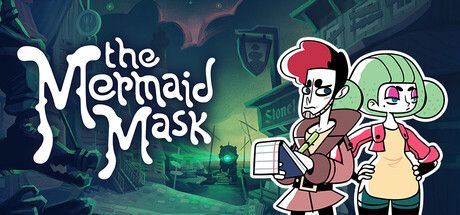
I found the first twenty minutes of The Mermaid Mask to be strangely off-putting. The game kind of throws you into the action immediately, but it also doesn’t get off to a particularly hot start. The dialogue between the two main characters (Detective Grimoire and Sally) made it feel like there was a very established connection between them that the player should know about already.
After this odd start, I realized that this is actually the third game in this series, though they are all standalone titles. Luckily, after 20 minutes or so, I started adjusting and quickly felt engaged with what was going on.
The Mermaid Mask is a point-and-click adventure game with detective elements. You are on a submarine, attempting to solve a murder that occurred there. You collect evidence and question each passenger about that evidence and other topics to slowly solve the mystery. There are also various puzzles to solve to unlock some of the clues.
The biggest thing that stands out about The Mermaid Mask is the writing. It’s consistently sharp and clever. Most of the suspects in the game have one over-the-top gimmick about them, and usually that sort of thing will wear thin for me after a while, but I always really enjoyed it here. It’s very easy to spend 30 minutes talking to one character in the game, because you can get their thoughts on literally every one of the 40+ clues you can find in the game, and it was crazy how engaged I was every single minute of these long conversations. Even if a character doesn’t necessarily know much about a given clue, they always have something interesting to say about it either way. There are constantly little “aha!” moments as you talk to characters, as they slowly reveal small pieces of the puzzle through each question you ask.
The quality of the production values really aids that excellent writing as well. The voice acting is very strong across the board. The music and art are also excellent. As much as I love a good indie narrative game, there are a lot of cases where there is at least one element that is a bit below par, but The Mermaid Mask doesn’t falter in any real respect.
As much fun as investigating in the game is, I do wish that actually solving the mystery were equally fun. While there are a lot of points where the game will ask you to fill in the blanks to answer certain questions about the case, it’s mostly very simple stuff that just recaps what a character already told you. The game also gives you so few options to select from when you are answering questions that it’s usually easy to just figure it out with process of elimination.
I also kind of wish the game had some sort of grading system or another way to create a bit of tension during some of the “detective” elements of the game. If you are stuck on a question, you can always just continue to select things until you get the right answer. There are a few moments where the game wants you to select a specific clue, and once again, since there are over 40, this can actually get a little trickier. However, a few of these moments are also a bit flawed. There were multiple times where the game asked me for a clue, I selected one, and then was told, “We will get to that later.” Essentially, I was on the right track but selected something not quite in the order the game wanted. In the end, The Mermaid Mask is mostly cosplaying as a detective game. I think it’s important to have the expectation that this is a visual novel game with detective elements, instead of thinking that this is actually a game truly devoted to making you the detective. That’s not necessarily a bad thing, but I personally would have preferred the latter.
A lot of your brain power in the game goes toward some of the various puzzles that pop up throughout. Many of these puzzles are a bit mechanical in nature and require you to fiddle with different machines until you figure out how to unlock them. Some of them are quite clever, but I also found several to be a bit annoying. I felt like the best method with a few puzzles was mostly to just play around with them until the pieces fell into place, rather than actually thinking through how I was going to solve them. The controls are a touch awkward on a few puzzles as well. I don’t think the puzzles in the game are a massive negative, but I once again found myself wishing that more resources in the game went toward making me a more active participant in solving the case instead of doing unrelated puzzles.
My only other criticism of the story is that it feels like it’s missing that one big moment to really put it over the top. As I mentioned earlier, there are a lot of surprising little moments throughout the game, but there isn’t any one big twist that really stuck with me after the fact, which is usually a staple in this type of genre. It’s not the end of the world at all, but I think one moment like that could have really put the game over the top.
Regardless of those complaints, this is easily one of the most polished and entertaining visual novels that I’ve played in recent years. The all around talent that SFB Games has is apparent every step of the way. I was very engaged with this experience from start to finish, and any new game with Detective Grimoire in it is now a must play for me. If you like this genre at all, it should absolutely be on your radar.
Score: 8.5/10
Fields of Mistria
When I was several dozen hours into Assassin’s Creed Black Flag Resynced, I was stunned to realize that it was becoming my favorite game of 2026.
Sadly for Ubisoft, within weeks of this happening, I started a new game that seems to be in a great position to take back the crown. All the hype was real. Fields of Mistria is legit.
I have a weird relationship with these cozy farming/life-sim type games. I find a lot of them to be overrated, but when they hit, I get absolutely lost in them. And I am just thinking about Fields of Mistria nonstop right now.
The general gameplay of Mistria doesn’t do much that I’d say is terribly different from most in the genre. Your goal in the game is to grow your farm and generate as much money as possible, while also finding ways to help the town you are living in. You can grow crops, raise animals, work in the mines, fish, catch bugs, etc. All of these tasks help you make money or get supplies so you can continue to build on your burgeoning farm empire.
Mistria manages to stand out by making everything around its core gameplay systems feel absolutely perfect. The progression in this game is absolutely perfect. Pretty much every basic activity in the game allows you to level up. So every time you farm, or cook, or do something else, you’ll eventually level up. I level up multiple skills literally every single day in this game. As you level up skills, you will unlock more elements of a skill tree that have all sorts of useful upgrades for your character.
In addition to leveling up yourself, you can also level up Mistria itself. Every time you donate a new item to the museum, fulfill a quest in town, or just complete some basic tasks you would be doing anyway, you will see Mistria gain EXP. Leveling up Mistria gains you rewards and is very tied to the story in the game as well. I think one weird thing in this genre is deciding when the game is “over,” so I really like that Mistria has a difficult but attainable goal that I can work towards.
Long story short, if you like to see the numbers go up, Mistria has you covered in every possible way. But the numbers going up doesn’t feel shallow, like they can in some games that try to go ham on the RPG elements. Everything has a purpose, and every action feels meaningful and rewarding.
Mistria also stands out with its writing and characters. I usually find the characters in this genre to be pretty boring and subpar. I still don’t think anyone here is setting the world on fire, but I actually do enjoy my interactions with the townsfolk in the game each day. Each character actually has a ton of written dialogue. You can talk to them multiple times in a day, and they will say different things each time. Sometimes you can listen in on conversations they are having with other people, and each week there are big gatherings at the town inn where you can see everyone interact in different group settings. They’ve put a whole lot of work into this, and I think it really pays off. As you level up your bond with each villager, there are also different arcs you can see play out that I have been enjoying way more than I expected. Once again, considering I never give a damn about the social/romance elements in these games, I can’t imagine how much people who usually enjoy those sorts of things will feel about this.
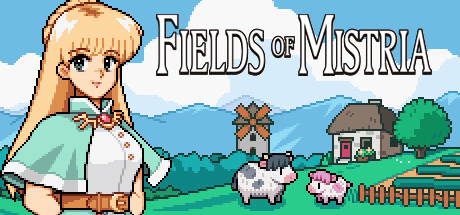
To top it off, Mistria also has a fantastic art style that breathes even more life into the game. There’s a sort of early ’90s anime aesthetic that I really enjoy. The music isn’t bad either, though with the quality of everything else in the game, I’m actually kind of surprised it isn’t better.
My critiques are mostly minimal. There’s so much to do in the game that every minute feels crucial. I am often stay up until the very last second to get as much as possible done. I’m only in my third season, but exploring the mines is getting increasingly difficult, as I feel like I really need a lot of time in the day to make real progress there. Just walking to the mines in and of itself eats up a few precious in-game hours. Considering Mistria has elements of magic, I’m really hoping that I unlock some sort of fast travel element down the road, or that I’m able to upgrade my walking speed in some way.
Also, I grew up on Harvest Moon 64, which to this day has some of my favorite festivals in the genre. There were multiple each season, and many of them rewarded you for the work you were doing on your farm with things like horse races or other competitions. So far, there has only been one festival per season in Mistria, and while they aren’t bad, I really dislike how poorly they are linked to the work you are doing on your farm. The fall festival is also basically the same festival that you have in spring. I’m enjoying everything else in the game so much that this flaw isn’t bothering me as much as it might otherwise, but it is a shame that I don’t care about the festivals at all so far.
I still have a ways to go in Mistria. I’m not even three full seasons in yet, and my town is level 33. I know that there are elements of the game that I haven’t unlocked yet (the game does a great job with its onboarding and rollout of different features as a side note), so I’m very curious to see how things continue to go for me. But this is pretty easily my “Game of the Year” so far in 2026, and while I’m not sure how I’d rank it yet, this stands alongside Harvest Moon 64, Stardew Valley, and Littlewood as one of my favorite cozy life-sim type games of all time. If you like this genre at all, you should be playing Fields of Mistria. I’d give it a 9.5/10 so far.
If you enjoyed this post, please consider following me on social media, or checking out The Big Nerd Gaming Podcast!
The Big Nerd Gaming Podcast on Youtube
The Big Nerd Gaming Podcast on Spotify


Leave a comment